SPORTS MASSAGE • PRETORIA EAST
Sports Massage in Pretoria East for Athletes & Active People
Whether you're training for a race, lifting hard in the gym, cycling the Pretoria East roads or getting battered on a rugby field, your treatment should reflect what you're asking your body to do.
Charlton Botha provides targeted sports massage in Pretoria East for runners, cyclists, gym-goers, rugby players, combat-sport athletes and active people who want to manage muscular tightness, maintain movement and recover well between training sessions.
Every appointment is tailored to your training, movement restrictions, injury history and current recovery needs — not a standard massage routine.
60 minutes | R350 | Charlton Botha, ITEC | Silverwoods Country Estate
Sports Massage
Designed Around Your Sport
A runner's body does not experience training in the same way as a powerlifter's. A cyclist does not develop the same patterns as a rugby player. That is why sports massage should never be a one-size-fits-all treatment.
Charlton assesses the areas you are overloading, how your body is moving and where muscular restriction is developing before deciding how to work. Depending on what you need, your session may include targeted sports massage, deeper soft-tissue techniques, trigger-point work, assisted stretching and movement-based treatment.
Sports Massage for Runners
Running repeatedly loads the calves, hamstrings, quadriceps, glutes and hips. But runners can also develop upper-body tension through posture, arm drive and fatigue.
Sports massage for runners can be used as part of a wider recovery routine when training volume leaves muscles feeling tight, sore or restricted.
If pain is sharp, persistent, worsening or clearly injury-related, we may recommend assessment by an appropriate medical or sports professional rather than simply repeatedly massaging the area.
Sports Massage After the Gym or Training
Hard training can leave muscles feeling tight, heavy or restricted, particularly after strength work, HIIT, CrossFit-style sessions or repeated lower-body training. Sports massage after training can be used as part of your recovery routine to help reduce the feeling of muscular soreness, maintain comfortable movement and identify areas that are repeatedly becoming overloaded.
The treatment should match what you have actually done. A heavy leg session may need a very different approach from upper-body strength work or conditioning. Charlton tailors each session around your training load, current soreness and what you need to do next.
Sports Massage for Golfers in Pretoria East
Golf places repeated rotational demands through the hips, lower back, thoracic spine, shoulders and forearms. Over time, golfers can develop areas of tightness or restriction that affect how freely they move through the swing.
Sports massage for golfers in Pretoria East can focus on the specific areas being repeatedly loaded through practice and play, rather than simply giving a general massage. Treatment may be particularly useful when you are noticing stiffness through the hips, back, shoulders or forearms after regular rounds or range sessions.
Sports Massage for Rugby Players
Rugby creates a very different physical demand from most sports: repeated sprinting, tackling, collisions, scrummaging and heavy strength training all place significant load through the body.
Sports massage for rugby players in Pretoria can be used between training sessions and matches to work on muscular tightness, restricted movement and areas that are repeatedly overloaded. Treatment is tailored around your position, current training load and where your body is taking the most strain.
If there is a suspected acute injury rather than normal training-related tightness or soreness, we will advise appropriate assessment rather than simply treating through it.
Sports Massage for Cyclists
Cycling involves thousands of repeated movements in a relatively fixed position, so small restrictions can become very noticeable over long rides. Cyclists often experience muscular tightness through the quads, hip flexors, glutes, calves, lower back, neck and shoulders.
Sports massage for cyclists focuses on the areas being repeatedly loaded by your riding position and training volume. It can be useful as part of recovery between demanding sessions, particularly when you are increasing distance, climbing more or spending longer periods on the bike.
Pre-Event Sports Massages
Pre-event sports massage is not designed to leave you feeling battered before you compete. It is generally shorter, lighter and more stimulating than a full recovery treatment.
The aim is to prepare the muscles and movement patterns you are about to use without creating unnecessary soreness.
The exact timing and treatment depend on the sport, event and individual, so tell Charlton what you are preparing for when you book.
Post-Event Sports Massages
After a race, match or demanding event, your body may feel very different from how it felt beforehand. A post-event sports massage should take account of fatigue, soreness, bruising, swelling and any possible injury rather than automatically applying heavy treatment.
Charlton will assess how you are feeling and adjust the session accordingly. In some situations, it may be better to wait or seek medical assessment before receiving hands-on treatment.
Book Sports Massage in Pretoria East
Choose an available 60-minute appointment with Charlton in Silverwoods Country Estate.
R350 · 60 minutes
MEET THE FOUNDER & your therapist
Why Athletes Choose Charlton Botha for Sports Massage in Pretoria East
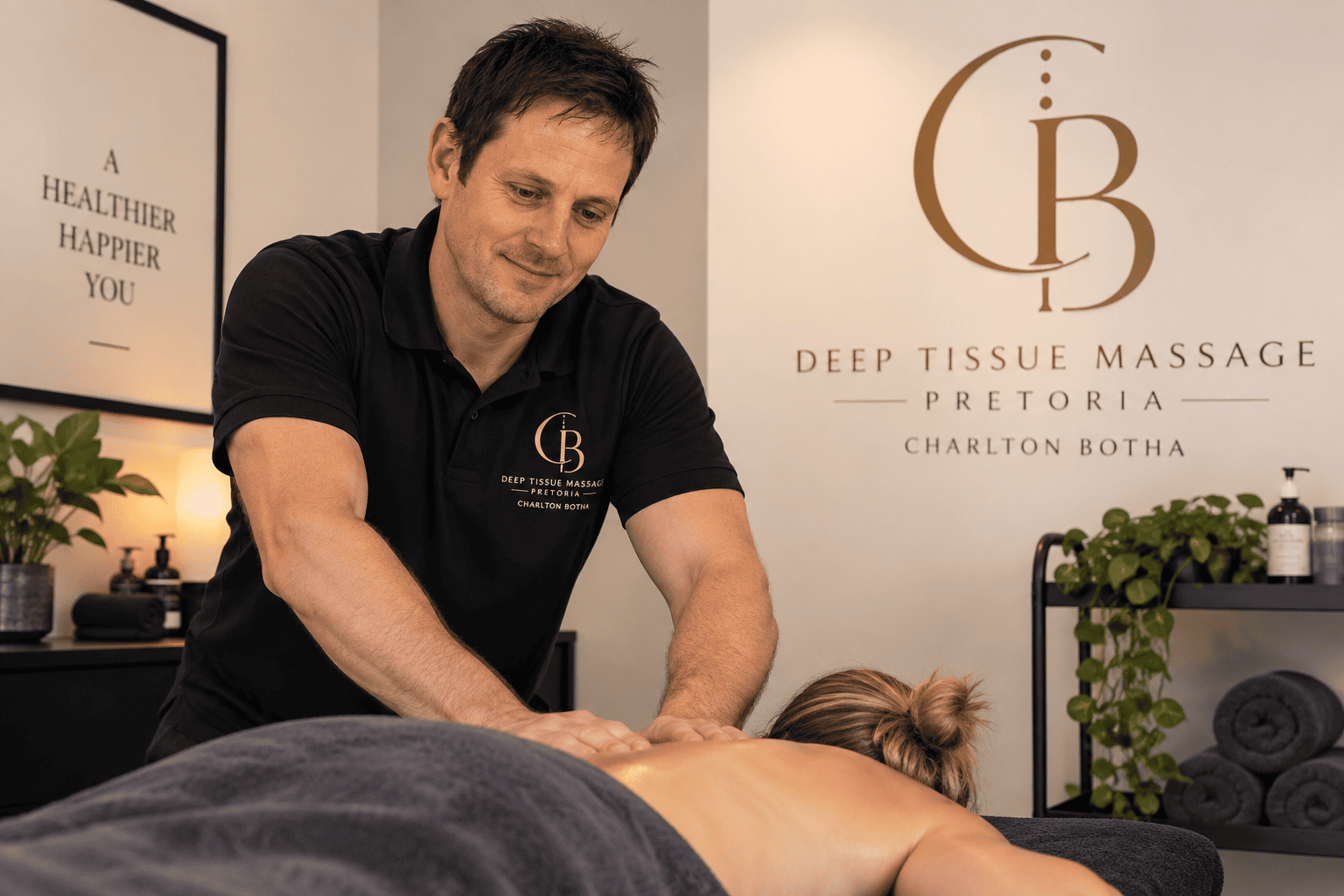
Charlton Botha is an ITEC-qualified massage therapist with more than 16 years of hands-on experience working with active clients, athletes, muscular overload and recovery.
Every appointment at Revive Your Body Method is personally delivered by Charlton. Your treatment is based on how you train, where your body is repeatedly taking load, your movement restrictions and what you need to do next.
Rather than applying the same routine to everyone, Charlton adapts pressure, soft-tissue techniques, trigger-point work, assisted movement and stretching where appropriate.
The aim is simple: understand what your body is doing, treat what is actually relevant, and help you keep moving and training comfortably.
Your Questions Answered...
What do they actually do in a sports massage?
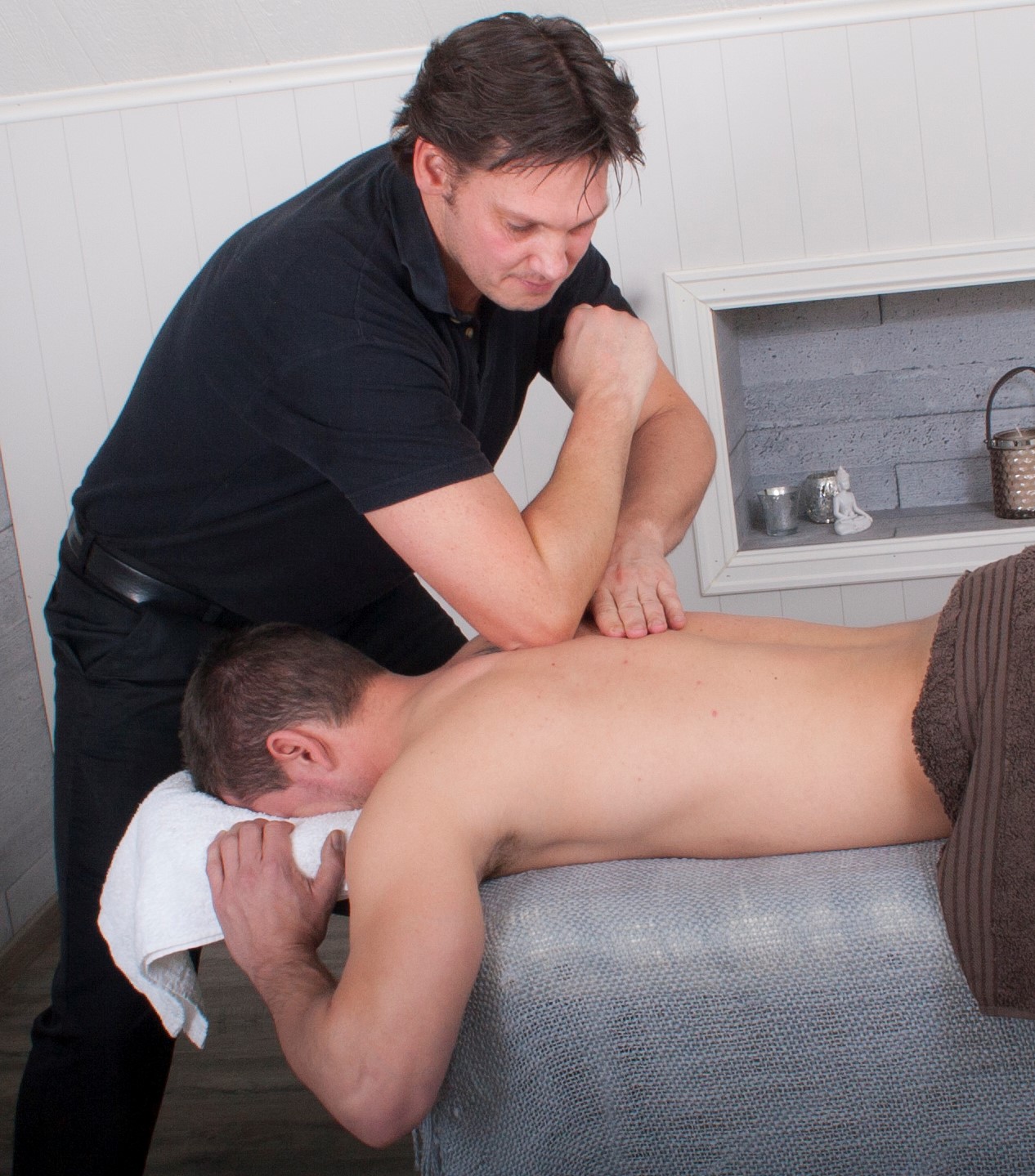
When you book a sports massage at Revive Your Body Method, you’re not signing up for a spa session with mood lighting and cucumber water. This is performance-focused bodywork. Our sports massage therapists are trained in advanced techniques like deep tissue muscle stripping, trigger point therapy, myofascial release, and assisted stretching — all grounded in the science of how athletes train, recover, and perform.
That means we don’t just go through the motions. We assess your biomechanics, muscular imbalances, and injury history, then use targeted hands-on work to help:
Release tight, overworked muscles
Improve flexibility and range of motion
Reduce pain, inflammation and post-exercise fatigue
Prevent injury by restoring muscular balance
If you're searching for a “deep tissue sports massage near me” or wondering how to bounce back after a heavy training block, this is the approach you’ve been missing.
And just to set expectations — yes, we’ll ask you to move. You may be standing, lying on your side, or actively engaging muscles while we work. That’s how we get long-term results, not just short-term relief.
This is hands-on therapy for people who want to feel better, move better, and perform at their best.
Should I book Sports Massage or Deep Tissue Massage?
If your muscular tightness is mainly related to training, sport or repeated physical activity, sports massage is usually the better starting point. If you have persistent knots, stiffness or restricted movement that isn't particularly connected to sport, you may prefer Deep Tissue Massage.
What Can Sports Massage Help With?
Sports massage can be useful when training leaves you dealing with muscular tightness, post-exercise soreness, restricted movement or areas that repeatedly become overloaded.
Research suggests massage can modestly improve flexibility and delayed-onset muscle soreness.
At Revive Your Body Method, we use sports massage as one part of a sensible recovery strategy — not as a shortcut to fitness or performance.
When Should I Book Sports Massage Around Training or Competition?
You don’t have to be an elite athlete to need a sports massage. In fact, most of our clients are everyday active people — runners, gym-goers, weekend warriors, or simply those dealing with the wear and tear of modern life.
If you move, train, or push your body — even moderately — you’ll benefit from this kind of hands-on recovery.
That said, timing and technique matter.
If you’re in the middle of a training cycle, sports massage helps you train harder, recover faster, and avoid injury by resolving tightness before it becomes a problem.
If you’re new to massage, you’ll want to avoid deep tissue work right before a big event. We recommend leaving at least 2 weeks buffer before race day for deeper techniques.
In the 7 to 2 days before an event, a lighter pre-event massage can stimulate circulation and relax your nervous system.
Within 48 hours post-event, massage can ease soreness, reduce inflammation, and help your body process lactic acid build-up.
And during your off-season or recovery window, we shift gears — using specific sports and remedial massage techniques to support deep healing and reset your system.
At Revive Your Body Method, your treatment is always personalised — we’ll tailor the pressure, approach, and focus depending on your phase of training, injury history, and recovery goals.
This isn’t a one-size-fits-all session. It’s real therapy for real results.
Don't worry, we can help!
How long should I book?
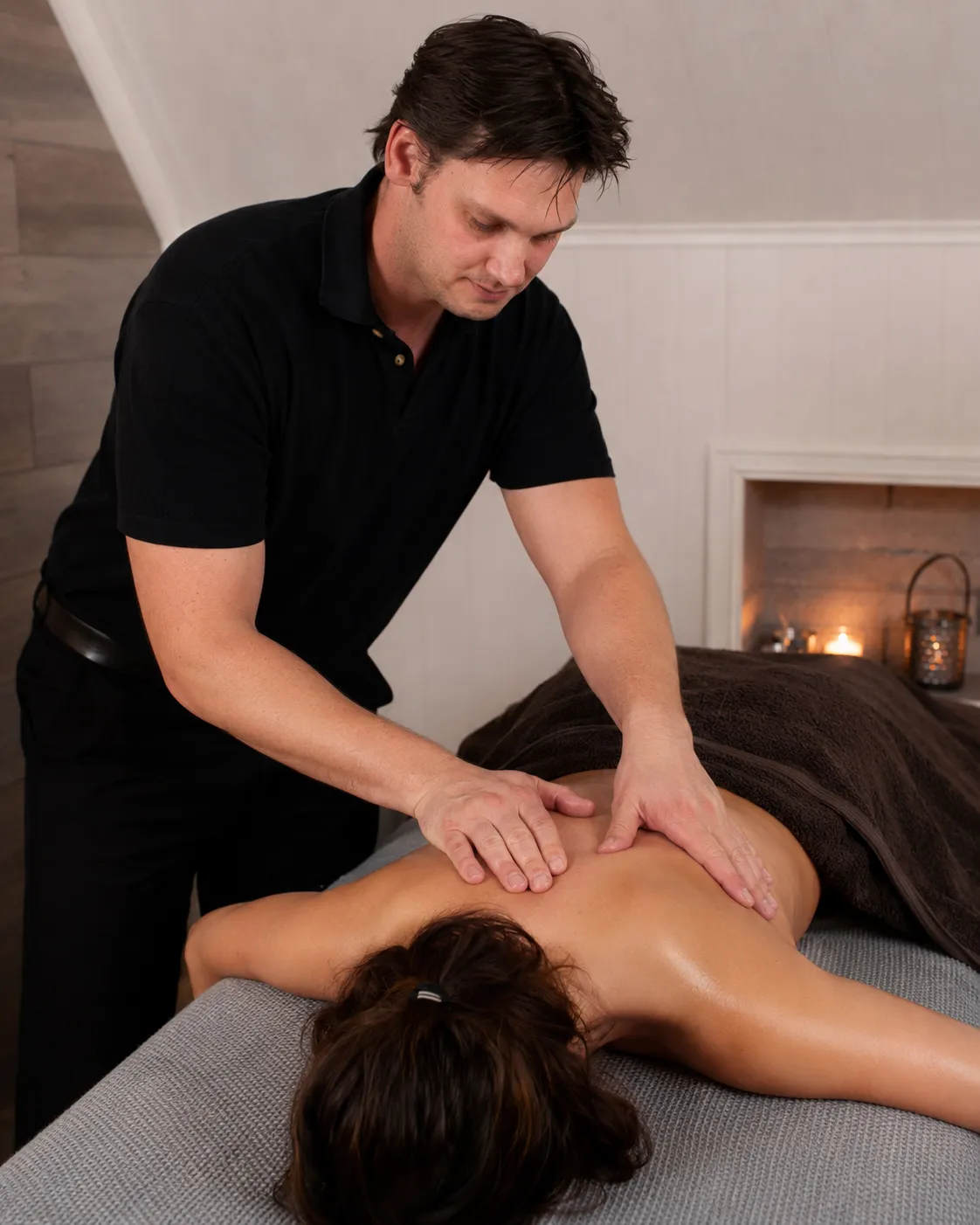
This depends on what you need to be done. A one hour massage therapy session is long enough to cover off one area, so if you’re a runner, then we will do your legs. However, have a think about the rest of your body too because when you run, sure your legs are tight, but also you’ll be suffering with tight shoulders, neck, arms and back from where you unwittingly tense during your training. If you're in doubt, call or message Charlton directly on 072 865 1682 and he'll guide you.
How should I prepare for my massage?
Come on an empty or light stomach. You’ll be lying face down for a chunk of your session, and if you’ve just eaten, that can feel uncomfortable — especially with deep pressure. Plus, massage naturally slows down your system, including digestion. So skip the heavy meal and opt for something light a couple of hours before.
Plan your day around recovery. Sports massage isn’t just a nice rub-down. It’s targeted bodywork. That means your muscles will need time to adjust and integrate the work we do. Avoid booking your massage right before a heavy gym session or high-intensity class. You’ll get better results if you give your body at least 24 hours to respond before pushing it again.
Hydrate before — and after. Good hydration helps your muscle tissue respond better to hands-on massage therapy work and supports lymphatic drainage. So arrive well-watered, and keep sipping after your session to help flush out the by-products we’ve stirred up.
How will I feel after?
You’ll likely feel a bit sore, especially after your first session — that’s completely normal. In fact, some soreness can actually highlight the areas we need to keep an eye on in future sessions. It doesn’t mean anything’s gone wrong. It’s just your body adjusting to the work we’ve done.
Give it 24–48 hours and that soreness will usually lift, leaving you feeling more mobile, lighter, and like you’ve stepped into a new body.
If you’ve never had a proper deep tissue or sports massage before, this might come as a surprise — but it’s all part of the repair and recovery process. It’s not about pushing through pain for the sake of it, though. We’ll work with your tolerance and adapt your sessions as your body changes.
Remember: a sports massage therapist is not a doctor. If you're carrying an injury and haven’t yet had a proper diagnosis, we always recommend you see your GP or a sports injury specialist before booking in.
Sports Massage in Pretoria East
Revive Your Body Method is based in Silverwoods Country Estate, Pretoria East, conveniently located for runners, golfers, cyclists, rugby players, gym-goers and other active clients from Silver Lakes, Hazeldean, Wapadrand, Tyger Valley and surrounding Pretoria East areas.
Every appointment is private, one-to-one and personally provided by Charlton Botha.
Sports Massage: 60 minutes
Price: R350
Location: Silverwoods Country Estate, Pretoria East
Appointments: By booking
Book Sports Massage in Pretoria East
ADDRESS
102 Silvergrove Cres, Silverwoods Country Estate 0054
FOLLOW US

© 2026. Charlton Botha. All Rights Reserved.