Massage and Therapy — Why Swelling Keeps Coming Back (And Why It’s Not Just Inflammation)
You stretch, foam roll, ice, rest, and book massage and therapy sessions, yet the swelling keeps returning. It shows up after workouts, long days on your feet, or even light movement, making your body feel heavy, stiff, and restricted. The real frustration isn’t the swelling itself — it’s that nothing seems to change it long term.
This guide explains why recurring swelling is not random, why standard massage and therapy often fail to resolve it, and how a structured clinical approach identifies what your body is actually protecting against.
The Real Problem Behind Recurring Swelling
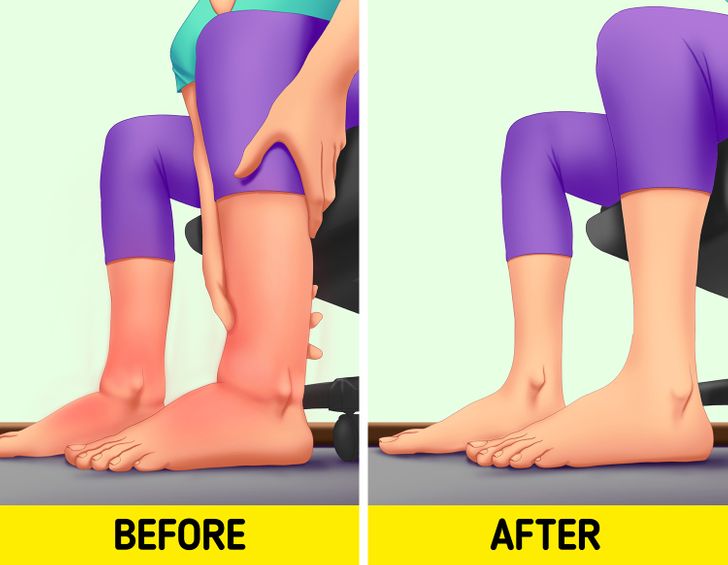
Swelling that returns again and again is rarely about overuse or “normal inflammation.” In most cases, it is a sign that fluid movement through the tissues has been mechanically disrupted. Your body is responding to congestion, restriction, or unresolved internal stress rather than damage.
When soft tissue layers lose glide, when scar tissue stiffens drainage pathways, or when muscles remain in a guarded state, fluid cannot circulate efficiently. The body compensates by holding fluid in the area. This is not a failure of recovery effort — it is a protective response.
Massage and therapy that only focus on surface tension may temporarily reduce swelling, but if the underlying restriction remains, the body has no reason to change its pattern.
Why This Isn’t “Just Inflammation”
A common misunderstanding is that swelling equals inflammation and inflammation equals rest. In reality, inflammation is often secondary. The primary driver is usually mechanical. Restricted fascia, compressed lymphatic channels, nerve irritation, and unresolved scar tissue all create resistance inside the tissue environment.
Your body responds intelligently. It increases fluid presence to protect and buffer stressed areas. This is why swelling often returns quickly once movement resumes. The issue was never fully addressed — it was bypassed.
This is also why stretching, compression garments, ice baths, and even regular massage and therapy fail to hold results. They treat symptoms, not the internal mechanics that created the congestion.
Where Generic Massage and Therapy Falls Short
Most massage and therapy approaches aim to relax muscles or increase circulation in a general sense. While this feels good, it does not restore tissue mobility at depth, nor does it address drainage pathways or neural protection patterns.
Spa-style massage prioritises relaxation. Physio-only protocols often focus on strengthening without resolving tissue congestion first. Neither approach consistently addresses why the swelling is there in the first place.
Clinical recovery requires precision, sequencing, and an understanding of how fluid, nerves, and soft tissue interact under stress.
The Revive Your Body Method — A Different Clinical Framework
At Revive Your Body Method, massage and therapy are not used as isolated techniques. They are applied within a structured clinical framework built on over 16 years of owner-led, hands-on recovery work in Pretoria.
The approach follows a clear progression: Relax, Restore, Revive.
Relax means downshifting the nervous system and releasing defensive tension patterns that trap fluid and restrict movement. Without this step, the body remains guarded and resistant to change.
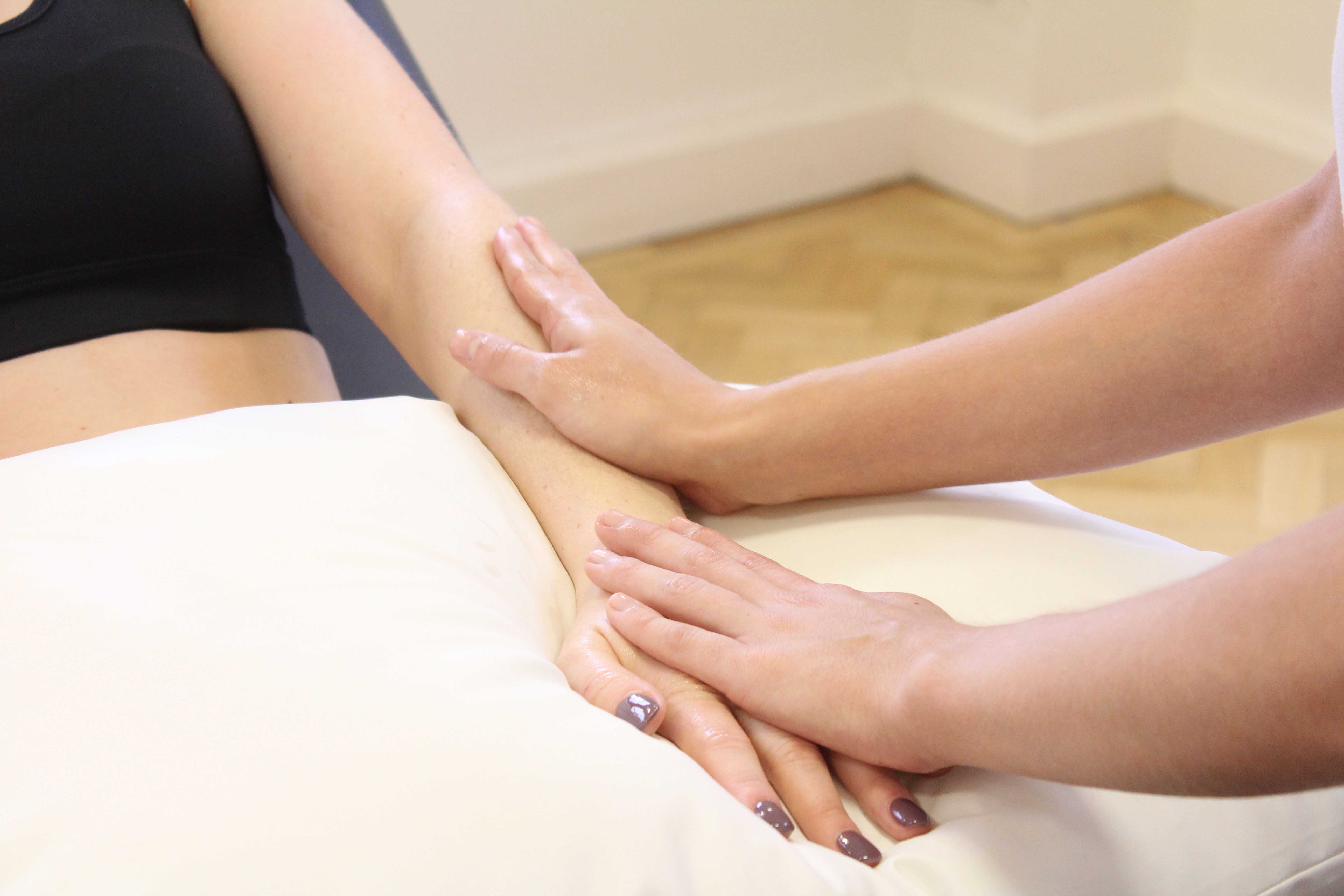
Restore focuses on improving tissue glide, lymphatic flow, scar mobility, and soft tissue suppleness. This is where congestion is actually cleared rather than temporarily reduced.
Revive rebuilds functional movement patterns so the body no longer needs swelling as a protective strategy. Strength returns through ease, not force.
This is clinical recovery work, not spa treatment.
The Moment Most People Miss
This is where self-help stops.
If information, stretching routines, massage tools, and recovery gadgets worked, the swelling would not keep returning. The reason they haven’t worked is not lack of effort — it is lack of structured assessment.
You cannot feel which internal pathway is blocked. You cannot identify which tissue layer is restricting drainage. You cannot determine whether the nervous system is maintaining protection without trained hands-on evaluation.
This is what requires structured support.
Why You Need a Diagnostic First
Before deciding what treatment you need, you need to find out what is actually driving the swelling. Is it lymphatic congestion, fascial restriction, neural guarding, or scar-related compression? Each requires a different entry point within the Relax–Restore–Revive framework.
This is why Revive Your Body Method starts with a low-cost clinical diagnostic. The purpose is not education. It is identification.
You find out what your body is protecting, why swelling keeps returning, and which pillar needs to be applied first to create lasting change.
Your Next Step
If recurring swelling is limiting your training, work, or daily movement, the next step is not another generic massage and therapy session. It is to identify the root mechanical driver behind the congestion.
Find out what is actually causing your swelling to return and see which stage of the Relax–Restore–Revive framework your body needs now.
Book your clinical diagnostic here:
https://reviveyourbodymethod.com/calendar
This is how recovery starts — not with more effort, but with the right structure.