The Hidden Reason Old Injuries Still Affect Your Movement — The Complete Guide for Active Adults in Pretoria
You did the rehab. You rested. You went for massage. Yet years later, the same stiffness, restriction, or weakness keeps coming back. Old injuries still affect movement not because your body is failing, but because it has been protecting you in ways no one has fully addressed. This guide explains what’s really happening inside your tissues—and why relief without structure never lasts.
Chronic Stiffness That Returns Daily
One of the most frustrating failure points after an old injury is stiffness that resets overnight. You loosen up during the day, sometimes even feel “fixed” after a massage, but by the next morning the same tightness is back. This daily recurrence isn’t random. It’s a signal that your body is maintaining a protective pattern around unresolved internal stress. When stiffness returns again and again, it’s no longer about flexibility or effort—it’s about unaddressed mechanical tension your system refuses to let go of.
This Isn’t “Normal Tightness” or Aging
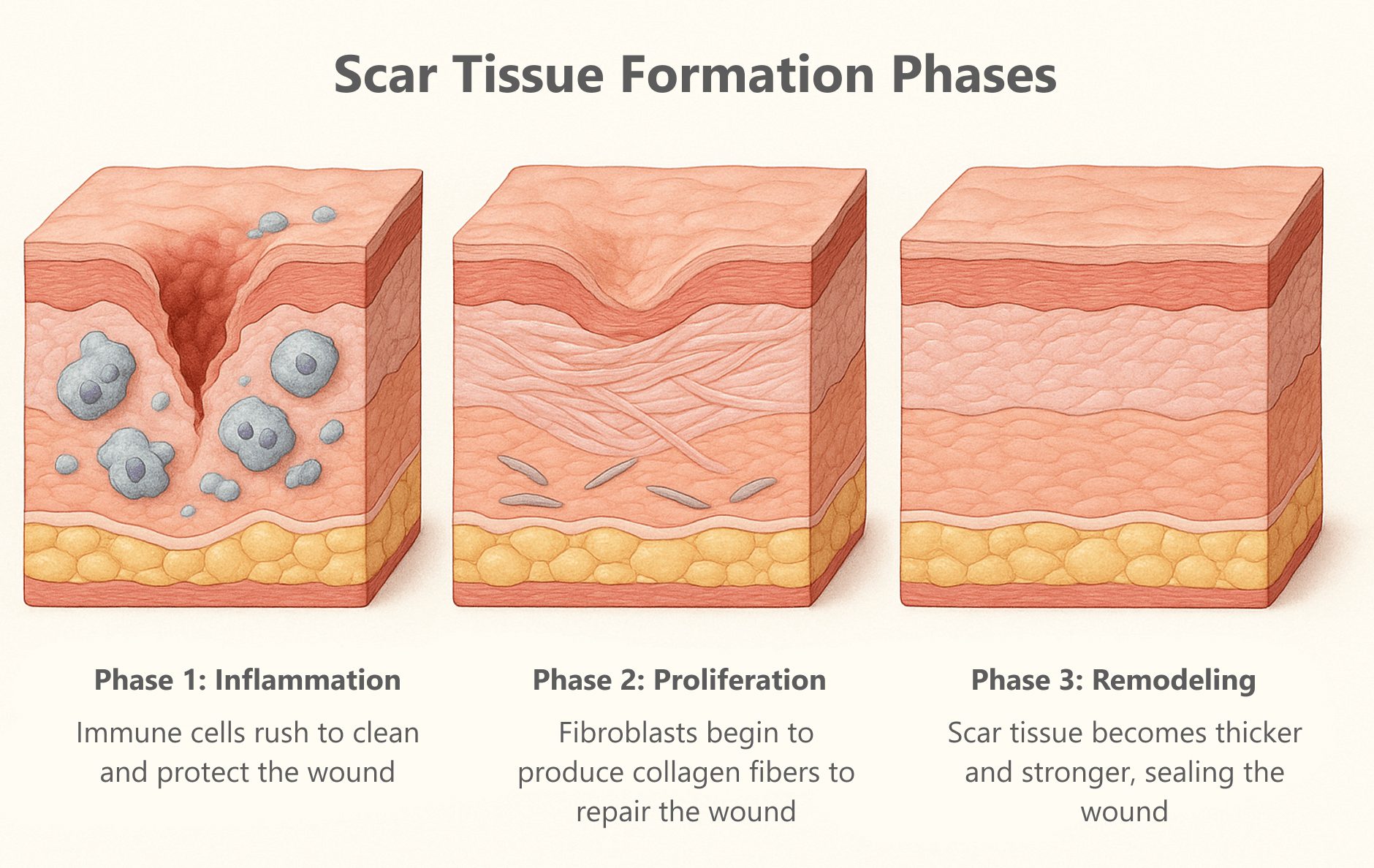
Most people are told this is just wear and tear, poor posture, or something they must manage forever. That story is comforting, but it’s wrong. Your body is not being stubborn or lazy. It is responding intelligently to internal threats that were never resolved when the injury first occurred. Scar tissue that doesn’t glide, fluid congestion that never cleared, irritated nerves, and fascial layers that lost elasticity all create ongoing internal stress. Your nervous system senses this and maintains tension as a protective response. Stretching more or massaging harder cannot override protection that exists for a reason.
Why Massage Hasn’t Solved It
Massage often feels helpful because it temporarily reduces tone and increases circulation. The problem is that generic massage does not assess or resolve the deeper mechanical drivers keeping the system guarded. If lymphatic congestion, scar binding, or altered load pathways remain unchanged, the nervous system simply re-applies the same tension once the session ends. This is why you feel looser for hours or days but never experience lasting change. Relief without restoration cannot hold.
The Relax → Restore → Revive Framework
At Revive Your Body Method, old injuries are approached through a structured clinical framework rather than isolated techniques. The first pillar, Relax, focuses on reducing guarding and downshifting the nervous system so defensive tension can safely release. Without this step, deeper work is resisted by the body itself. The second pillar, Restore, addresses what was never properly resolved: fluid movement, lymphatic flow, scar mobility, and tissue suppleness. This is where stagnation is cleared and mechanical stress is reduced at source. The third pillar, Revive, rebuilds functional movement patterns so strength returns without effort or compensation. This is how movement freedom becomes stable rather than temporary.
This method is delivered through owner-led treatment with over 16 years of hands-on clinical recovery experience. It is not spa work, and it is not protocol-driven physio alone. Every session is personalised, precise, and focused on long-term function rather than short-term relief.

Where Self-Help Stops
This is where self-help stops. Information hasn’t worked because knowing more doesn’t change how your nervous system protects unresolved stress. Videos, stretches, and exercises fail because they operate on the surface while the problem sits deeper. Old injuries still affect movement because they require structured, hands-on assessment and progression. This is not something you can feel your way through alone. It requires clinical reasoning, sequencing, and skilled manual input.
Find Out What’s Actually Driving Your Stiffness
Instead of guessing, you can find out what’s actually driving your recurring stiffness and identify which pillar—Relax, Restore, or Revive—you need first. This low-cost diagnostic assessment is designed to reveal why your body is still holding on and what must change for movement to finally stabilise. It is the first step toward lasting recovery, not another temporary fix.
If you are based in or around Pretoria and tired of managing symptoms, this is your opportunity to see why your old injury never truly healed—and what structured support looks like when it’s done properly.
Book your diagnostic assessment here:
👉 https://reviveyourbodymethod.com/calendar
Why Old Injuries Still Affect Movement
Old injuries still affect movement because the body never forgets unresolved internal stress. Until protection is no longer needed, stiffness will return. Massage alone cannot resolve this. Stretching cannot override it. What’s required is a clinical framework that respects how the body protects, restores, and rebuilds. This is the difference between temporary relief and real recovery—and why structured support changes everything.