Why Muscle Tightness Returns After Training — The Complete Guide for Active Bodies
You train hard, you look after yourself, and you even book regular sports massage—yet the tightness always comes back. Sometimes it’s the next morning, sometimes after the next session, but it never truly resolves. This guide explains why that cycle happens, what’s really going on beneath the surface, and why lasting change requires more than hands-on relief alone.
Chronic Tightness That Returns No Matter What You Do
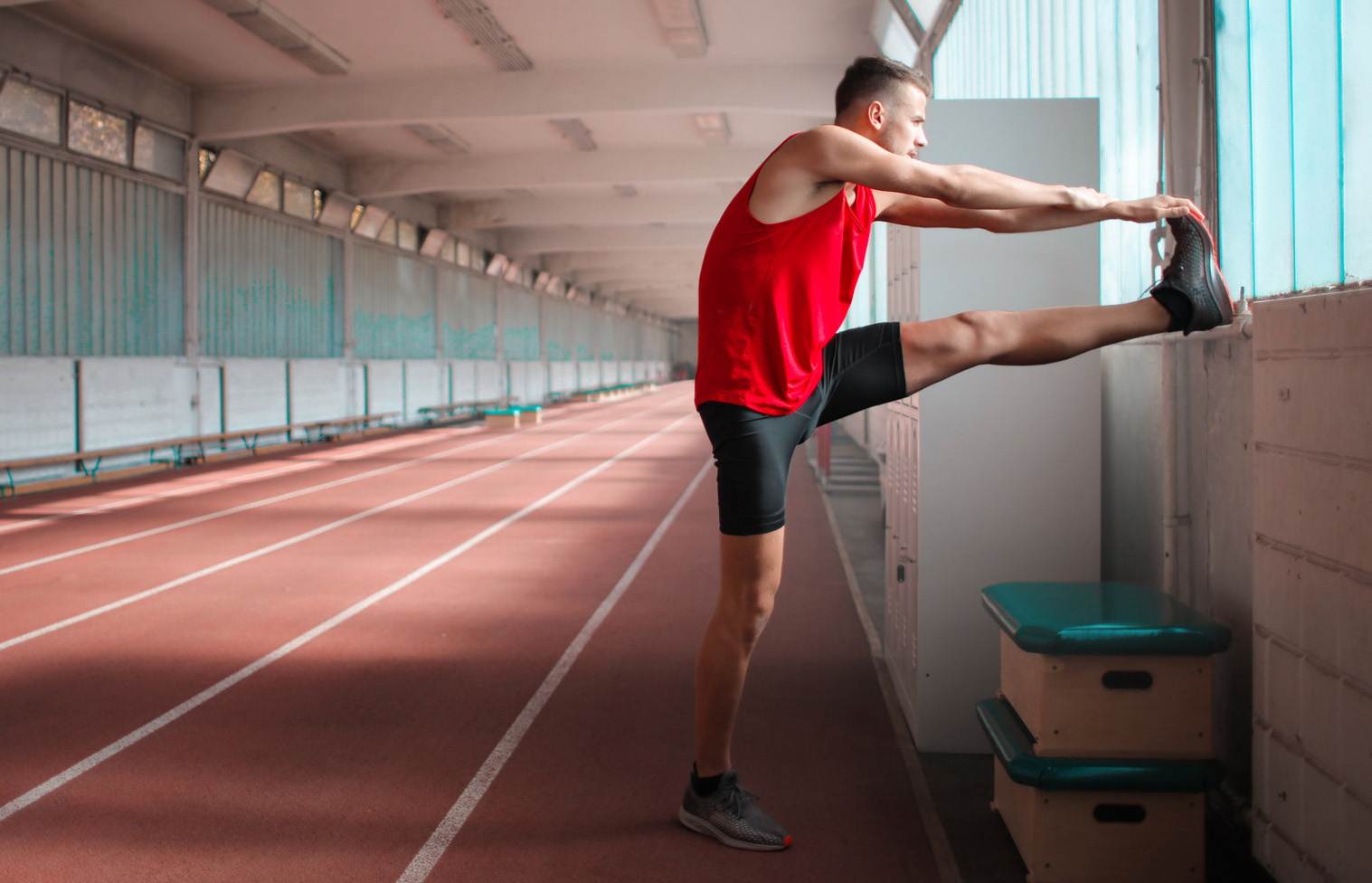
For many active people, the most frustrating failure point isn’t pain itself—it’s stiffness that resets daily. You warm up, you stretch, you train, you recover, and for a short while things feel better. Then the familiar restriction creeps back into the same muscles, the same joints, the same movement patterns. Over time, this creates the sense that your body is unreliable, fragile, or “just tight by nature.” That belief is understandable—but it’s wrong.
This Isn’t Random Tightness—and It’s Not Because You’re Not Stretching Enough
Recurring muscle tightness is not a flexibility problem, and it’s rarely solved by more massage, more foam rolling, or more stretching. What’s actually happening is that your body is protecting itself. When internal mechanical stressors remain unresolved—such as fascial restriction, fluid congestion, scar tissue adherence, nerve irritation, or chronic low-grade inflammation—the nervous system maintains a state of guarding. Muscles stay switched “on” because letting go would feel unsafe.
This is why sports massage often helps temporarily but doesn’t hold. The tissue is being relaxed locally, but the deeper drivers that triggered the tension response are never fully addressed. Your body simply re-creates the same pattern once training load returns.
Why the Revive Your Body Method Uses Relax → Restore → Revive
At Revive Your Body Method, this recurring cycle is approached through a structured clinical framework rather than isolated techniques. The process always follows the same logic: Relax, Restore, then Revive.
Relax is about downshifting the nervous system and reducing protective muscle guarding. Without this step, tissue cannot genuinely change. Restore focuses on improving mobility, fluid movement, lymphatic flow, and scar or fascial suppleness that may be silently limiting movement quality. Revive is where functional patterns are rebuilt so strength and training capacity return without the body needing to compensate or tighten defensively.
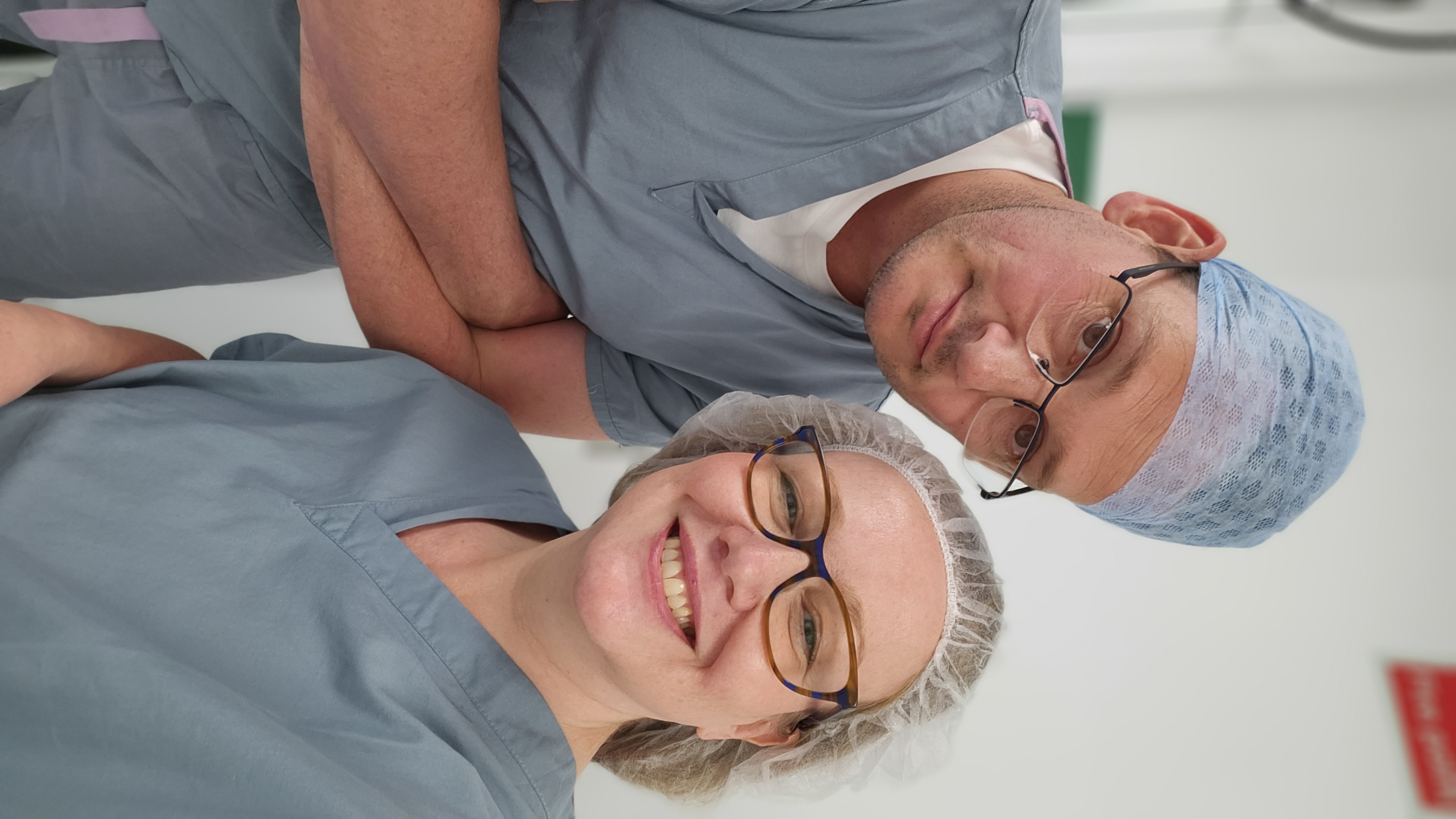
This approach is owner-led, grounded in over 16 years of hands-on clinical recovery experience, and designed specifically for people who train—not spa clients looking for relaxation.

Why Sports Massage Alone Often Doesn’t Hold
Sports massage works on surface and mid-layer muscular tension. It increases circulation, reduces soreness, and can temporarily improve range of motion. What it doesn’t reliably do is identify why certain tissues are overloaded in the first place. If congestion, scar-related restriction, or dysfunctional movement patterns remain, the same muscles will be asked to compensate again during training. Tightness then becomes a signal, not a flaw.
This is why many active people in Pretoria feel stuck in a loop of book-massage-feel-better-tight-again. The intervention doesn’t match the depth of the problem.
This Is Where Self-Help Stops
This is the point most people resist, but it’s also the turning point. You cannot feel fascial binding. You cannot self-assess lymphatic stagnation. You cannot stretch your way out of scar-driven restriction or nervous system overprotection. This is why information hasn’t worked. This is why effort hasn’t worked. This is where self-help stops—and where structured clinical support becomes necessary.
Find Out What’s Actually Driving Your Recurring Tightness
Rather than guessing, stretching harder, or booking another generic massage, the next step is to identify what’s really driving your recurring patterns. The Revive Your Body Method offers a low-cost diagnostic assessment designed to show you exactly which pillar—Relax, Restore, or Revive—your body needs first.
This isn’t about learning more exercises. It’s about finding out why your body keeps tightening and what needs to change for that cycle to stop. From there, a personalised, owner-led recovery plan is created with a clear clinical focus—so your training supports your body instead of fighting it.
If you’re ready to see why your tightness keeps coming back and what structured support actually looks like, you can book directly here:
https://reviveyourbodymethod.com/calendar
Key Takeaways
Recurring muscle tightness after training is not a failure of discipline or recovery habits. It’s a sign that deeper mechanical and neurological stressors are being missed. Temporary relief without structural change will always fade. Lasting freedom comes from the right sequence, the right hands, and the right clinical framework. This is exactly what the Revive Your Body Method was built to deliver.