Why Does Deep Tissue Massage Sometimes Make Stiffness Worse?
You’re told you’re “very tight,” so the answer seems obvious—more pressure. Deep tissue massage feels intense, even productive, yet days later your body feels more guarded, sorer, or locked than before. When stiffness worsens after deep tissue work, it isn’t because massage doesn’t work. It’s because pressure was applied at the wrong time, to the wrong system, in the wrong sequence.
The Core Problem: Pressure Triggers Protection, Not Release
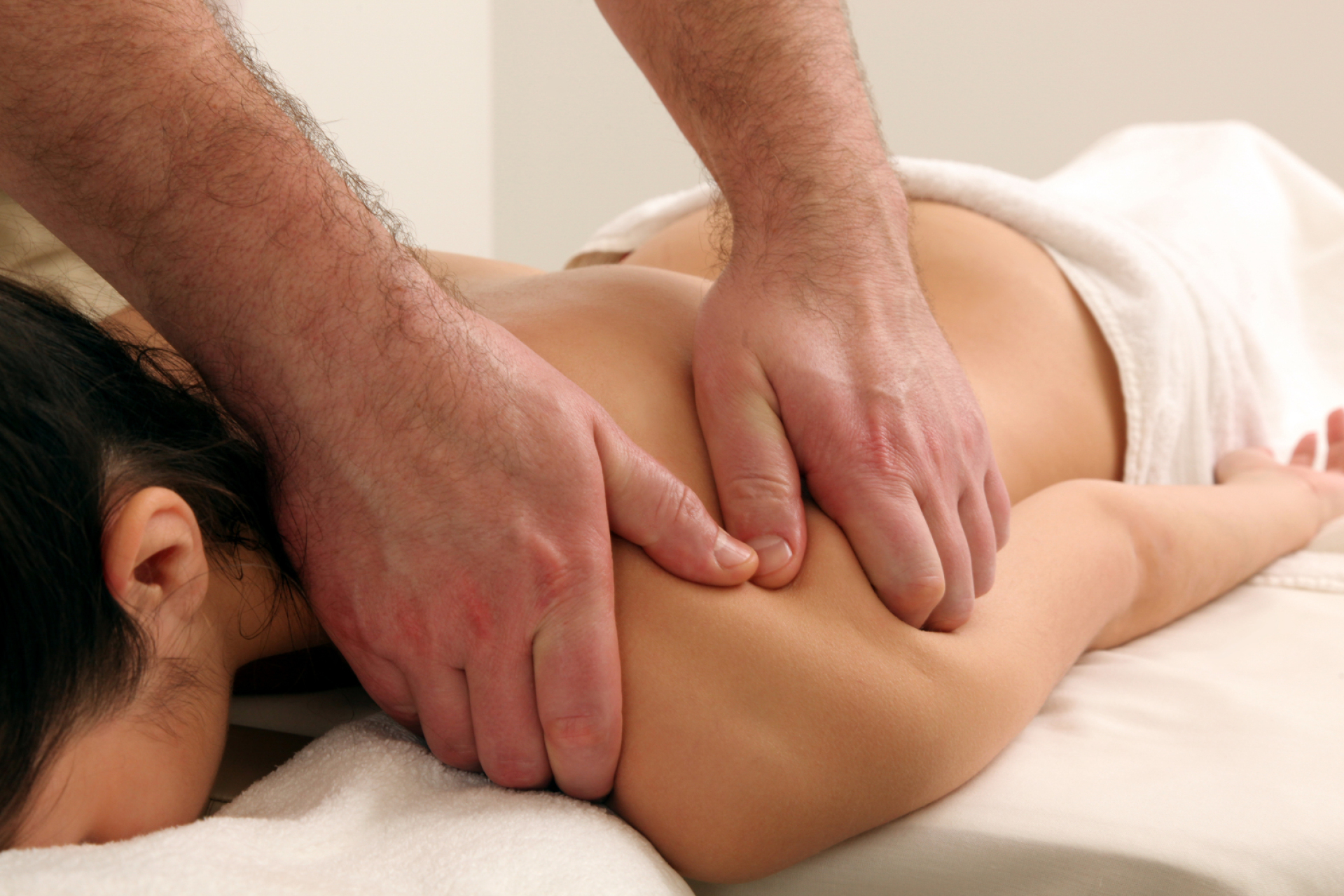
Deep pressure does not automatically equal release. For a body already under internal stress—fluid congestion, nerve irritation, unresolved injury, or scar-related restriction—force can be interpreted as threat.
When pressure is applied without first calming the nervous system, the body responds defensively. Muscles tighten, tissue thickens, and inflammation increases. You may feel looser immediately due to neurological override, but once that override fades, protection rebounds stronger than before.
This is why stiffness often returns worse after “strong” massage.
Identity Disruption: Tight Muscles Are Often the Symptom
Many people believe tight muscles are the problem. In reality, muscles are usually responding to something else—instability, congestion, or irritation deeper in the system.
Your body tightens muscles to protect joints, nerves, and tissues it doesn’t trust. Applying force to those muscles without addressing the reason for that mistrust reinforces the body’s belief that it needs to guard.
This isn’t your body being stubborn. It’s your body doing its job.
Why “Going Harder” Stops Working
Initially, deep tissue massage can feel effective because it overwhelms sensation. Over time, however, the body adapts by increasing baseline tension. This is when people feel like they “need” deeper and deeper work just to feel normal.
At that point, massage becomes a cycle of irritation and recovery rather than progression. Relief never accumulates because the system is never allowed to feel safe enough to change.
This is where many people plateau—or regress.
Relax → Restore → Revive: Why Sequence Matters More Than Pressure
At Revive Your Body Method, pressure is never the starting point. With over 16 years of owner-led clinical experience in Pretoria, treatment is sequenced to change how the body responds, not just how it feels.
The Relax phase reduces guarding and nervous system threat so tissue becomes receptive rather than defensive.
The Restore phase improves glide, fluid movement, lymphatic flow, and scar mobility so muscles no longer need to protect underlying stress.
The Revive phase rebuilds strength and movement patterns that hold without constant intervention.
This is why treatment can feel precise rather than brutal—and why results last instead of rebounding.

How This Connects to Full Body Massage in Pretoria
If you are searching for full body massage in Pretoria because deep tissue work hasn’t helped—or has made things worse—the difference lies in intention. Clinical recovery massage respects nervous system timing, tissue readiness, and internal load.
The full explanation of why generic massage fails and how chronic stiffness patterns are broken is covered in the pillar guide here:
https://reviveyourbodymethod.com/
This Is Where Self-Help Stops
If deep tissue massage leaves you sorer, tighter, or more guarded despite repeated sessions, this is not something you can fix by tolerating more pressure.
This is where self-help stops.
This is why information hasn’t worked.
This is what requires structured support.
Until your body feels safe enough to let go, force will continue to backfire.
The Diagnostic Step: Find Out Why Your Body Resists Pressure
There is a low-cost diagnostic assessment designed to identify why your body reacts defensively to deep work and which pillar—Relax, Restore, or Revive—you need first.
This is not about choosing lighter or deeper massage. It is about finding out why your body resists pressure at all.
You can book that diagnostic here:
https://reviveyourbodymethod.com/calendar