When Muscle Tightness Isn’t a Muscle Problem: How the Relax–Restore–Revive Framework Breaks the Cycle
If muscle tightness were truly a muscle problem, it would respond to stretching, strengthening, or regular massage. But for many people, tightness persists no matter how disciplined they are. It may shift location, ease briefly, or flare after activity, but it never truly resolves. This is the point where frustration sets in—and where the real explanation finally matters.
The Problem: Recurring Compensation Patterns That Never Settle
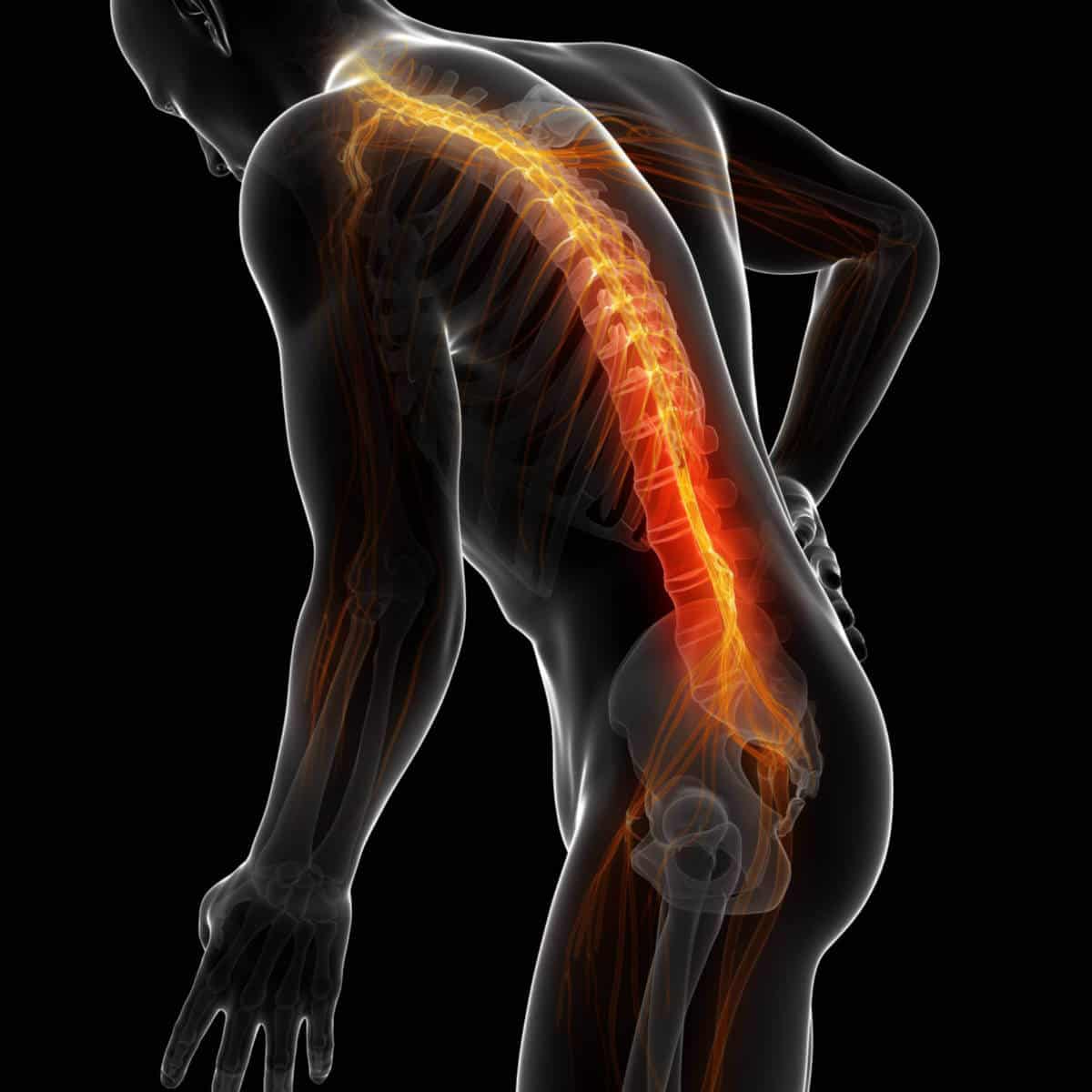
The failure point this post addresses is recurring compensation. One area feels tight, another takes over, movement adapts, and the body finds a way to cope—but never to resolve. You may notice that when one area loosens, another tightens. Or that after treatment, the same patterns return under load or stress. This isn’t coincidence. It’s the body redistributing tension to protect itself.
This is not a muscle behaving badly. It’s a system under strain.
Identity Disruption: Tightness Is a Protective Strategy, Not a Defect
Chronic tightness is often mislabelled as poor flexibility or weak muscles. In reality, the body increases tension when it senses unresolved internal mechanical stress. Scar tissue from old injuries, unresolved congestion, nerve irritation, fascial restriction, and chronic inflammation all alter how force moves through the body. When these stressors aren’t addressed, the nervous system responds by increasing tone to stabilise the area.
From the body’s perspective, tightness is safety. Stretching or forcing release without resolving the cause only reinforces the need for protection. This is why so many people feel tighter over time despite “doing everything right.”
Why Treating Muscles Alone Keeps Failing
Muscles respond to the environment they’re in. If fascia is restricted, fluid is congested, or nerves are irritated, muscles will remain guarded regardless of how much they are worked on. Massage, exercise, and mobility drills may offer temporary relief, but the system resets because the driver hasn’t changed.
This is why information hasn’t worked. Knowing more does not change internal mechanics.
The Framework That Breaks the Cycle: Relax → Restore → Revive
At Revive Your Body Method, muscle tightness is approached through a clinical recovery framework designed for protected systems, not isolated symptoms.
The Relax phase reduces defensive guarding and downshifts the nervous system. This creates the conditions for change by signalling safety, rather than threat, to the body.
The Restore phase addresses the true drivers of tightness. Fascial restriction is released, lymphatic flow is improved, scar tissue mobility is restored, and internal pressure is reduced. As tissues regain glide and fluid can move again, the need for constant muscular tension diminishes.
The Revive phase rebuilds functional movement patterns. Strength returns through ease rather than force, and the body learns to move without relying on compensation or chronic tension.
This approach is owner-led, informed by more than 16 years of hands-on clinical experience, and focused on recovery rather than spa-style care. Every plan is personalised because protective patterns are always individual.
The Line That Needs to Be Drawn
This is where self-help stops. Stretching routines, mobility programmes, and generic advice cannot identify which internal system is driving your tightness. This is why information hasn’t worked. This is what requires structured support.
When muscle tightness persists despite effort, the problem is not motivation—it’s misidentification.
Find Out What’s Actually Driving Your Tightness
Instead of trying to force muscles to relax, you can find out what’s actually driving your recurring tightness and identify whether your body needs Relax, Restore, or Revive first.
There is a low-cost diagnostic assessment designed to reveal the underlying mechanics behind chronic tension and show you why muscle-focused approaches have failed to create lasting change.
👉 Find out what’s actually driving your tightness and book your diagnostic here:
https://reviveyourbodymethod.com/calendar
Final Takeaway
When muscle tightness isn’t a muscle problem, treating muscles alone will always fall short. Real change happens when the body no longer needs to protect itself.
Once the right system is addressed in the right order, tightness resolves naturally—and movement becomes something your body trusts again, not something it resists.