Sports Massage vs Stretching — The Complete Guide for People Who Are Always Tight
You stretch every day. You warm up properly. You’re doing everything “right.” Yet the stiffness comes back every morning, after every workout, or the moment you stop stretching. This guide explains why stretching keeps failing when your nervous system is guarding—and why sports massage works differently when flexibility refuses to stick.
Chronic Stiffness That Returns Daily
The most frustrating part about chronic tightness isn’t the discomfort—it’s the predictability. You already know it will be back tomorrow. Hamstrings that feel short again by morning, shoulders that lock up after sitting, hips that never seem to open no matter how much time you spend stretching. This is not a flexibility issue. This is a protection issue.
This Isn’t About Being “Inflexible”
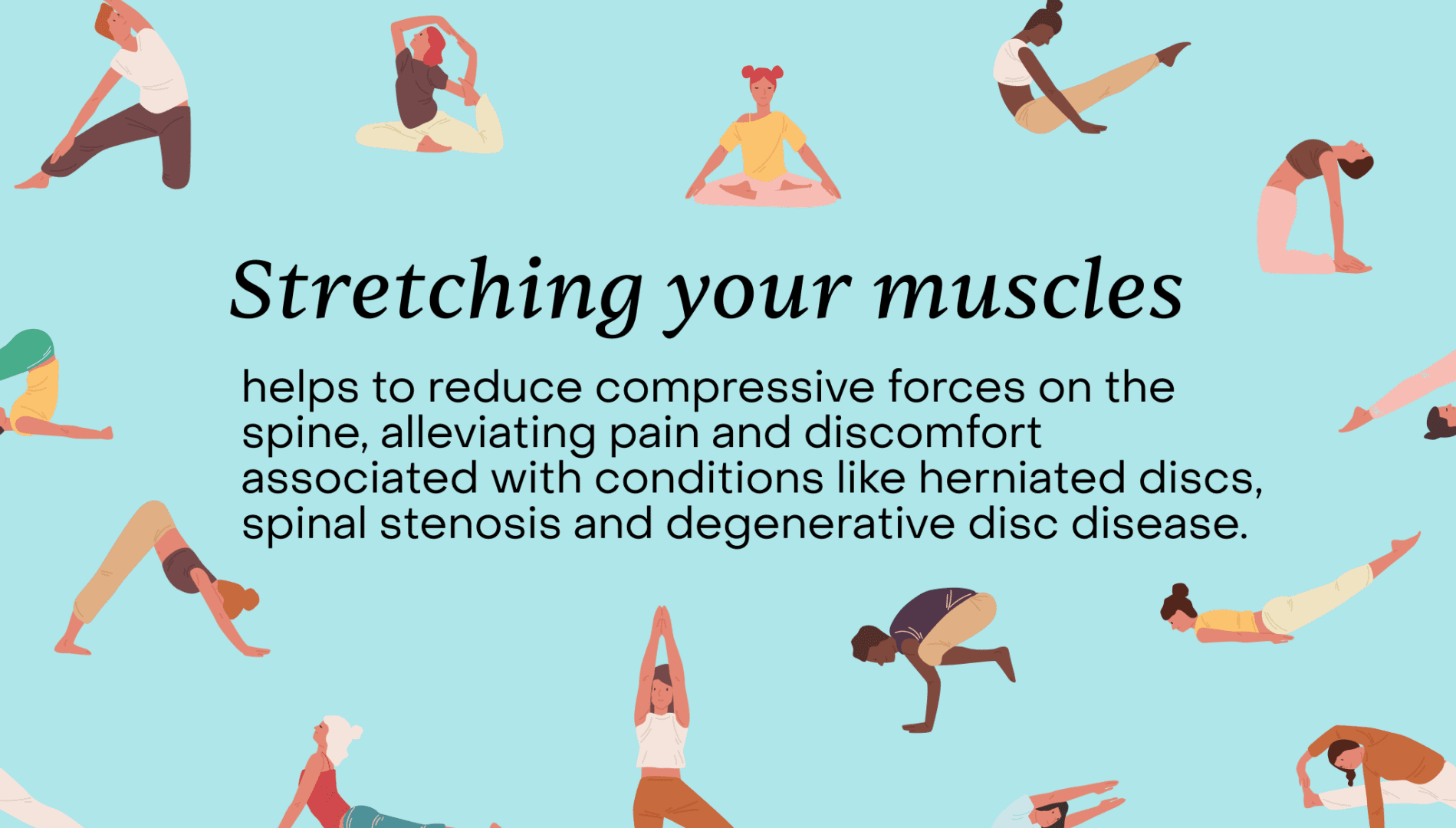
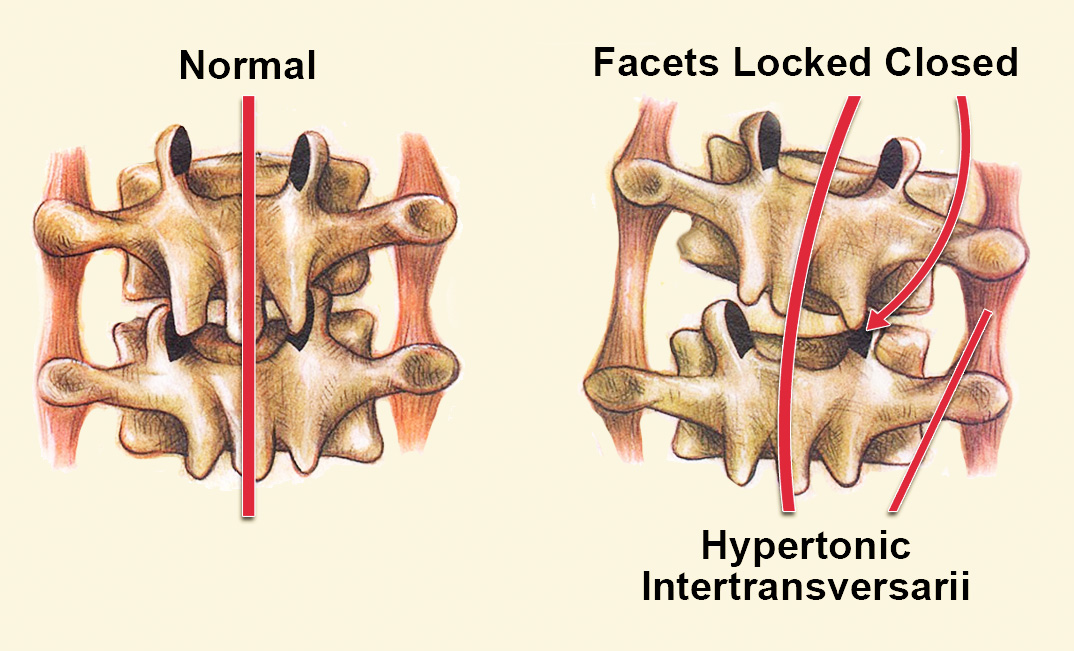
If stretching worked, it would have worked by now. When the body repeatedly tightens after being stretched, it’s not resisting flexibility—it’s defending itself. The nervous system is sensing unresolved internal stressors such as fascial restriction, scar tissue, congestion, nerve irritation, or chronic inflammation. In response, it increases muscle tone to create stability. Stretching against that signal simply reinforces the guard.
This is why people who stretch the most are often the ones who feel the tightest.
Sports Massage vs Stretching — What’s Really Happening
Stretching works on muscle length. Sports massage works on the conditions that decide whether muscles are allowed to lengthen in the first place. When the nervous system perceives threat, it shortens muscles reflexively. No amount of pulling on tissue overrides that signal.
Stretching applies external force to tissue that is internally being told to protect. Sports massage, when done clinically rather than as spa work, addresses the mechanical drivers that keep that protection switched on. This is where the Relax → Restore → Revive framework changes the outcome.
Relax: Why Stretching Fails to Reduce Guarding
Guarding is a nervous system response, not a muscle problem. Stretching does not downshift the nervous system; it often stimulates it. When tissue is already defensive, stretching can increase threat perception, causing rebound tightness later.
The Relax phase of the Revive Your Body Method focuses on reducing defensive tone first. Through owner-led, hands-on clinical work informed by over 16 years of experience, treatment targets the exact areas sending danger signals upstream. When the nervous system feels safe, muscles stop bracing.
This is where self-help stops. You cannot manually override your own nervous system response.
Restore: Why Flexibility Doesn’t Stick Without Tissue Change
Once guarding reduces, the next limitation appears—restricted tissue glide. Fascia that doesn’t move, scars that tether layers together, fluid that isn’t draining properly. Stretching does not change these mechanics. It simply pulls on them.
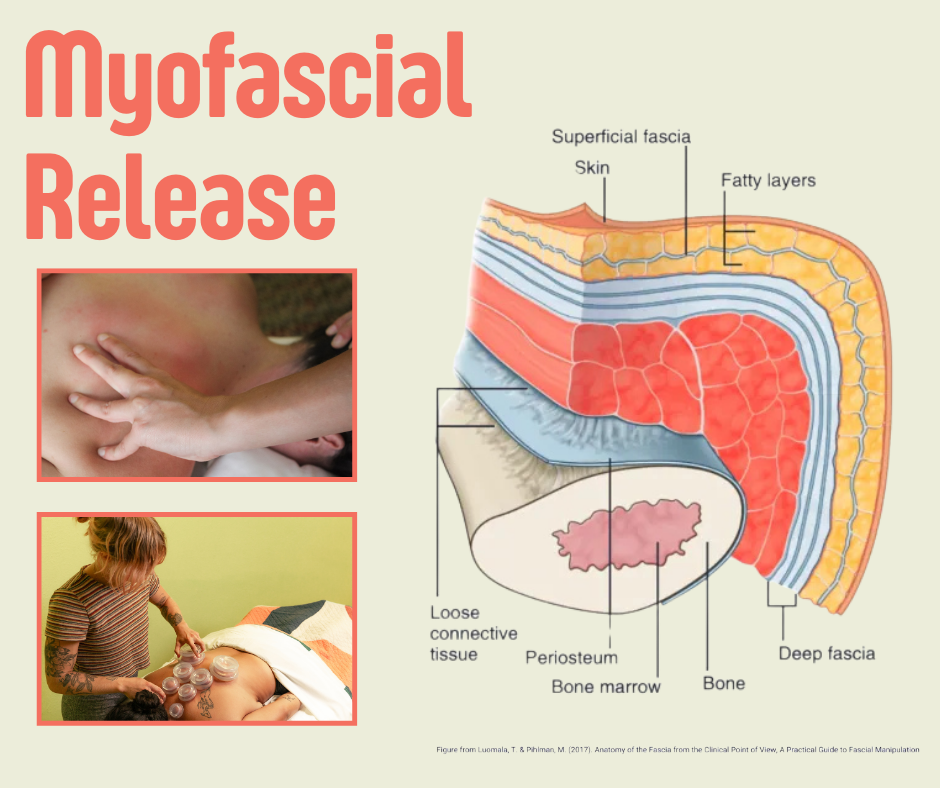
Restore work focuses on improving mobility between layers, fluid movement, and tissue suppleness so the body no longer needs to protect itself. This is clinical recovery work, not relaxation massage. It is precise, personalised, and focused on restoring internal movement—not just external range.
This is why information hasn’t worked. Knowing stretches doesn’t resolve mechanical restriction.
Revive: Why Strength Through Ease Comes Last
Only once the body feels safe and mobile does lasting flexibility appear. Revive focuses on rebuilding functional movement patterns without forcing range. Strength returns through ease, not effort. Flexibility becomes a by-product, not the goal.
Stretching tries to start here. The Revive Your Body Method finishes here.
Sports Massage vs Stretching
Stretching assumes the body is willing but tight. Sports massage recognises when the body is unwilling because it’s protecting. One pulls on tissue. The other changes the reason the tissue is resisting.
When flexibility keeps disappearing, stretching is no longer the solution—it’s the signal that something deeper hasn’t been addressed.
Realisation of Limits
This is where self-help stops.
This is why information hasn’t worked.
This is what requires structured support.
If your nervous system is guarding, you cannot stretch your way out of it. You need someone who can identify what your body is protecting against and address it clinically.
Find Out Why Your Flexibility Keeps Failing
Instead of guessing, stretching harder, or accepting daily stiffness as normal, find out what’s actually driving your recurring tightness—and identify which pillar you need first.
At Revive Your Body Method in Pretoria, all treatments are owner-led, clinically focused, and built around the Relax → Restore → Revive framework developed through 16+ years of hands-on experience. This is not spa massage. This is structured recovery care.
👉 Find out what’s actually causing your nervous system to guard—and book your diagnostic session here:
https://reviveyourbodymethod.com/calendar
Conclusion: Sports Massage vs Stretching
Stretching fails when the nervous system is guarding because flexibility is not the problem. Protection is. Sports massage, when applied as clinical recovery rather than relaxation, addresses the root causes that stretching cannot reach. When the body feels safe, flexibility returns naturally—and stays.
If stiffness keeps coming back, it’s time to stop stretching and start identifying why.