Scar Tissue and Back Pain — The Complete Guide for Pretoria Clients
You healed. The bruise faded. The scan was clear.
So why does your back still tighten every morning?
Scar tissue and back pain are deeply connected. Old injuries often create hidden mechanical restrictions that keep triggering new stiffness. In this guide, you will understand why chronic tightness keeps returning and why stretching alone has not solved it.
What Is Scar Tissue and Why Does It Affect the Back?
Scar tissue forms whenever the body repairs damaged tissue. That includes muscle tears, ligament strain, surgical incisions, disc irritation and even repeated micro trauma from sport or long hours sitting.
Scar tissue is not the problem by itself. The issue arises when it becomes dense, immobile and poorly integrated with surrounding fascia. When this happens, it creates fascial restriction and altered tension lines through the back.
Scar tissue and back pain are linked because the body protects restricted areas by increasing muscle guarding. That guarding becomes chronic stiffness. Over time, your nervous system treats that tension as normal.
This is especially common in Pretoria clients who had an old sports injury, a C section, abdominal surgery, or a previous episode of acute lower back pain that was never fully restored.
Why Scar Tissue Keeps Creating Chronic Stiffness
The failure point is not pain alone. It is recurring stiffness that returns daily.
Your back may loosen during the day, but by the next morning it feels tight again. Or after a workout it locks up. Or after long driving through Pretoria traffic it feels restricted and heavy.
This is not random. It is protective.
When scar tissue reduces glide between tissue layers, fluid movement becomes compromised. Lymphatic flow slows. Neural structures become irritated. The body responds with defensive contraction.
This creates a cycle: restriction leads to guarding, guarding leads to more restriction.
This is where identity disruption matters. You do not just need to stretch more. You are not simply tight. Your body is protecting unresolved internal mechanical stress.
And stretching into protective tissue often reinforces the problem.
The Hidden Mechanics Behind Old Injury Pain
When scar tissue forms in the lower back or abdominal region, it changes force distribution. The pelvis may rotate subtly. One side may grip harder. The thoracolumbar fascia may lose elasticity.
Over time, compensation patterns develop.
Muscles above and below the restriction start working harder. The nervous system increases baseline tone. Movement becomes smaller.
You feel stiff.
But the real issue is restricted tissue that has never been properly restored.
This is why information has not worked.
This is where self help stops.
This is what requires structured support.
The Relax Restore Revive Framework for Scar Tissue and Back Pain
At Revive Your Body Method in Pretoria, this method follows three clinical pillars: Relax, Restore, Revive.
Relax is not spa massage. It is precision downregulation of protective guarding. When the nervous system shifts out of defence mode, tissue becomes receptive. With over 16 years of owner led hands on clinical experience, this stage is essential before deeper structural work begins.
Restore focuses on mobility and fluid dynamics. Scar mobility, fascial glide and lymphatic movement are addressed through precise hands on therapy. This improves suppleness and reduces internal congestion that perpetuates stiffness.
Revive rebuilds functional patterns. Once guarding decreases and mobility improves, the body must learn to move without compensation. This stage supports long term movement freedom rather than temporary relief.
This approach is not generic massage. It is structured clinical recovery focused on root cause resolution.
Why Generic Massage Does Not Resolve Scar Related Back Pain
General massage may temporarily reduce tension. But if scar tissue remains immobile and fluid congestion persists, stiffness returns.
Physio exercises without tissue restoration often strengthen compensation. Stretching without reducing guarding reinforces defence.
This is why recurring stiffness keeps coming back.
Clinical recovery requires sequencing. Relax first. Restore second. Revive third.
Without this order, progress stalls.
Real Example of Scar Tissue Restriction
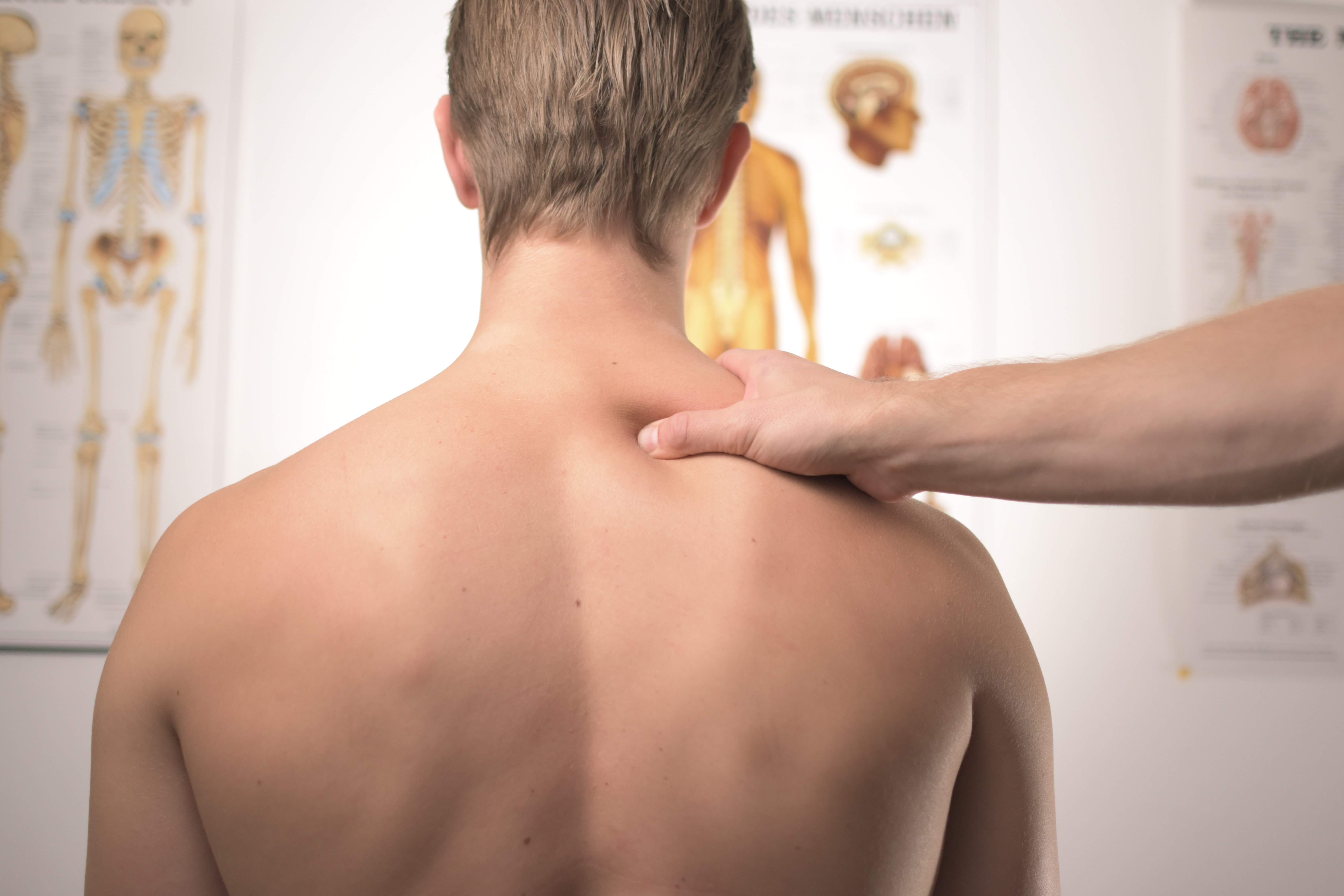
In clients with previous lower back strain, dense tissue often forms near the sacroiliac region. Even years later, that restriction limits glide between fascial layers.
After structured Relax work, guarding reduces. Restore techniques improve mobility and lymphatic flow. As the tissue regains elasticity, stiffness episodes reduce in frequency and intensity.
The difference is not pressure. It is precision.
Why Pretoria Clients Delay Addressing Scar Tissue
Many people assume that if the injury happened years ago, it cannot still be relevant.
But scar tissue does not remodel effectively without skilled intervention. The body adapts around it instead.
You adapt to stiffness. You avoid certain movements. You call it normal ageing.
It is not ageing. It is unresolved mechanical restriction.
Find Out What Is Actually Driving Your Back Stiffness
If scar tissue and back pain are connected in your case, guessing will not solve it.
You need to identify whether your primary driver is guarding, restriction, fluid congestion or compensation patterns.
The low cost diagnostic session at Revive Your Body Method is designed to help you find out what is actually driving your recurring stiffness and identify which pillar you need first.
This is not a spa booking. It is a structured clinical assessment led by the owner with 16 plus years of hands on experience in soft tissue recovery in Pretoria.
Book your diagnostic here:
https://reviveyourbodymethod.com/calendar
FAQ About Scar Tissue and Back Pain
Can scar tissue cause back pain years later
Yes. Scar tissue can remain dense and immobile long after the initial injury has healed. Without proper restoration, it continues to affect movement and tension patterns.
Why does my back feel stiff every morning
Morning stiffness often indicates protective guarding around restricted tissue. Overnight fluid stagnation can amplify the sensation.
Will stretching break down scar tissue
No. Stretching alone does not remodel dense scar tissue effectively. In some cases it increases guarding.
How do I know if scar tissue is my problem
You need structured assessment to determine whether restriction, congestion or compensation is the primary driver. Guessing delays recovery.
Conclusion — Key Takeaways
Scar tissue and back pain are not random. Old injuries can silently alter tension lines, fluid movement and nervous system behaviour for years.
Chronic stiffness that keeps returning is a sign of unresolved mechanical stress, not simply tight muscles.
This is where self help stops.
This is what needs structured support.
If you are in Pretoria and tired of temporary relief, find out what is actually driving your recurring stiffness and identify which pillar you need first.
Book your diagnostic session today:
https://reviveyourbodymethod.com/calendar