Remedial Massage Pretoria — The Complete Guide for People Stuck in the Pain Cycle
Many people in Pretoria live with stiffness or pain that seems to improve temporarily but always returns. You stretch, exercise, and occasionally book a massage, yet the tightness keeps coming back.
This is where remedial massage becomes different from ordinary massage. When done with clinical precision and a structured recovery framework, remedial massage helps uncover why the body keeps protecting certain areas and why that protection never fully switches off.
Understanding this process is the first step toward restoring real, lasting movement freedom.
What Is Remedial Massage?
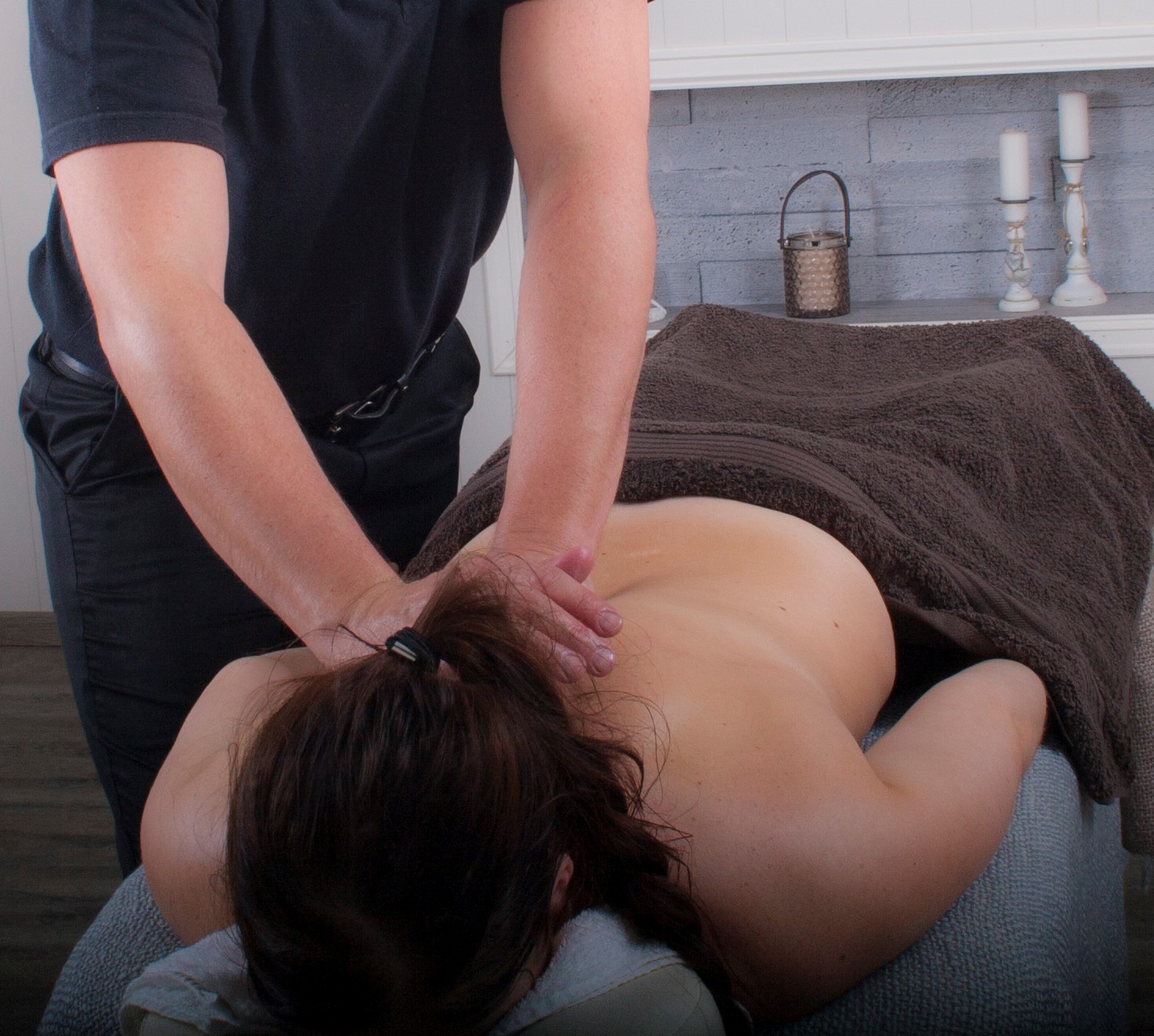
Remedial massage is a clinical form of hands-on therapy that focuses on identifying and correcting the underlying causes of muscular dysfunction rather than simply relaxing tight muscles.
Where relaxation massage aims to soothe the body temporarily, remedial massage therapy works to locate specific areas where the body has become restricted. These restrictions often involve scar tissue, fascial tension, nerve irritation, or lymphatic congestion that prevents the body from moving freely.
When these internal stress points remain unresolved, the body creates protective tension patterns. These patterns are often mistaken for simple muscle tightness, but in reality they represent the body’s attempt to stabilise a deeper problem.
For many people dealing with chronic pain or recurring stiffness, remedial massage becomes an important step in identifying why the body keeps returning to the same restricted state.
Why Recurring Stiffness Keeps Coming Back
One of the most common frustrations people experience is waking up with stiffness that seems to return every day. The problem is rarely that muscles are simply tight. The body usually enters a protective pattern when deeper mechanical stress has never been resolved.
This can occur when scar tissue limits normal tissue glide, when swelling disrupts lymphatic drainage, or when fascia becomes thickened and immobile around an injured area. Over time the nervous system adapts to this restricted environment and maintains chronic guarding.
When people treat these symptoms with stretching alone or occasional massage, the deeper driver remains unchanged. The body quickly returns to its protective pattern because it still senses instability within the tissue structure.
Understanding this cycle is crucial. Recurring stiffness is rarely random. It is often a signal that the body is protecting an unresolved internal restriction.
Why Remedial Massage Matters for Long Term Recovery
When remedial massage is delivered through a structured recovery framework, it becomes a tool for restoring proper tissue behaviour rather than simply chasing pain.
At Revive Your Body Method in Pretoria, treatment follows a three stage clinical approach that focuses on the underlying drivers of restriction.
Relax involves calming defensive tension patterns and helping the nervous system shift away from constant protective guarding. Many people carry long term muscular tension because the body feels threatened by internal restrictions.
Restore focuses on improving tissue mobility and fluid movement. This includes addressing fascial stiffness, lymphatic congestion, and scar related limitations that restrict normal motion.
Revive works to reintroduce natural movement patterns once the body can move without protective resistance. This phase encourages the body to rediscover strength through ease rather than tension.
This approach recognises that chronic pain is rarely a single muscle problem. It is usually the result of multiple interacting restrictions that need to be addressed in the correct sequence.
How the Revive Your Body Method Approaches Remedial Massage
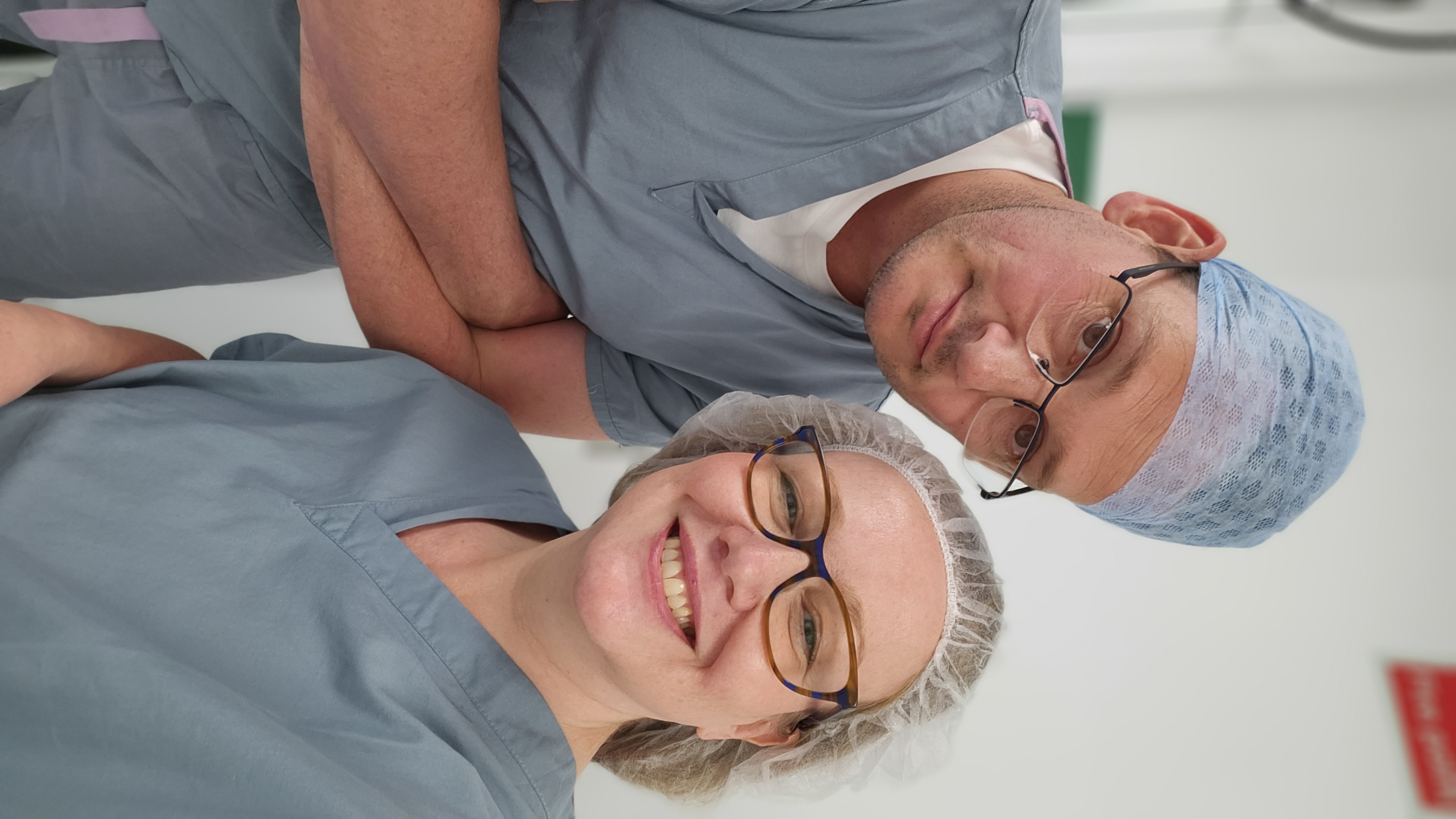
The Revive Your Body Method was developed through more than sixteen years of hands-on clinical work in Pretoria. Each treatment is owner led and designed around identifying the mechanical drivers behind recurring pain or movement loss.
The first stage focuses on identifying where protective tension is being generated within the body. This requires careful hands-on assessment rather than relying solely on symptoms or movement tests.
Once these areas are located, treatment works to reduce defensive tension and restore fluid mobility through specialised deep tissue and lymphatic techniques. Improving tissue glide allows the body to release patterns it has been holding for months or sometimes years.
The final stage gradually rebuilds movement freedom by helping the body move without the need for constant muscular protection. When this sequence is respected, the body can maintain lasting change rather than reverting back to its previous restricted state.
Why Generic Massage Often Fails to Solve Chronic Pain
Many people assume that any massage will help relieve pain. While relaxation massage can feel good temporarily, it often does not address the mechanical causes behind recurring tension.
Spa style treatments usually focus on general relaxation rather than targeted recovery. Even some deep tissue approaches may treat surface tightness without investigating the deeper restrictions driving the problem.
Without addressing scar tissue restrictions, lymphatic stagnation, and fascial stiffness, the body quickly returns to the same protective pattern. This is why many people feel better immediately after a massage but notice that their pain returns within days.
Remedial massage works differently because it focuses on restoring the underlying environment that allows muscles to function normally again.
The Point Where Self Help Stops Working
Many people try to manage chronic stiffness through stretching routines, foam rolling, gym work, or online mobility advice. These strategies can help maintain general movement health but they cannot resolve deeper structural restrictions inside the body.
This is where self help stops.
When scar tissue, fascial thickening, or lymphatic congestion are involved, the body requires precise hands-on work to restore proper tissue movement. Information alone cannot change these physical structures.
This is why information often has not worked for people who have been dealing with recurring pain for months or years. The body is protecting something deeper that cannot be corrected without structured support.
Find Out What Is Actually Causing Your Recurring Pain
If your stiffness or pain keeps returning despite stretching, training, or occasional massage, the real problem may not be where the pain appears.
The first step is identifying what the body is actually protecting.
At Revive Your Body Method in Pretoria, a structured diagnostic session is designed to locate the internal restrictions driving recurring tension patterns. This assessment helps reveal whether the body first needs to Relax, Restore, or Revive in order to move forward safely.
You can book a session here to find out what is actually causing your recurring pain patterns and identify which stage of recovery your body needs first.
https://reviveyourbodymethod.com/calendar
FAQ About Remedial Massage
Is remedial massage painful?
Remedial massage focuses on precision rather than force. While certain areas may feel sensitive during treatment, the goal is to restore tissue function without creating additional stress for the body.
How many sessions are usually needed?
The number of sessions depends on how long the restriction has been present and how the body responds to treatment. Chronic conditions often require a structured recovery plan.
Is remedial massage the same as deep tissue massage?
Deep tissue techniques are often used within remedial massage, but remedial massage is a broader clinical approach that focuses on diagnosing and correcting underlying tissue dysfunction.
Can remedial massage help with sports injuries?
Yes. Many athletes use remedial massage to restore tissue mobility, reduce swelling, and help the body return to efficient movement patterns.
Breaking the Chronic Pain Cycle
Recurring stiffness and chronic pain are rarely random. The body usually protects deeper restrictions that have never been properly addressed.
Remedial massage offers a way to uncover and treat these underlying drivers through a structured clinical approach. By following the Relax, Restore, Revive framework, treatment works with the body’s natural recovery process instead of temporarily masking symptoms.
If your pain keeps returning and nothing seems to hold, the most important step is identifying what the body is actually protecting.
Book your assessment and find out what is driving your recurring pain patterns.