Massage Therapy Massage — Why Your Stiffness Keeps Coming Back
You stretch. You book massages. You feel looser for a short while, sometimes even relieved. Then you wake up and the stiffness is back. If massage therapy massage hasn’t delivered lasting change, the issue isn’t effort, consistency, or commitment. It’s that the real driver underneath the stiffness has never been identified or addressed.
This guide explains why relief fades so quickly and how a clinical recovery framework identifies what your body is actually protecting.
The Real Problem — Chronic Stiffness That Resets Every Morning
That familiar morning stiffness in your back, neck, hips, or shoulders isn’t random, and it isn’t simply a sign of ageing or poor flexibility. It’s a protective response driven by unresolved internal stress. When fascia is restricted, lymphatic flow is congested, scar tissue limits glide, nerves are irritated, or low-grade inflammation persists, the body responds by tightening to protect itself.
Massage therapy massage often softens tissue temporarily, but if the underlying mechanical stress remains, your nervous system switches tension straight back on. That’s why stiffness feels predictable and repetitive rather than accidental.
Identity Disruption — This Isn’t “Tight Muscles”
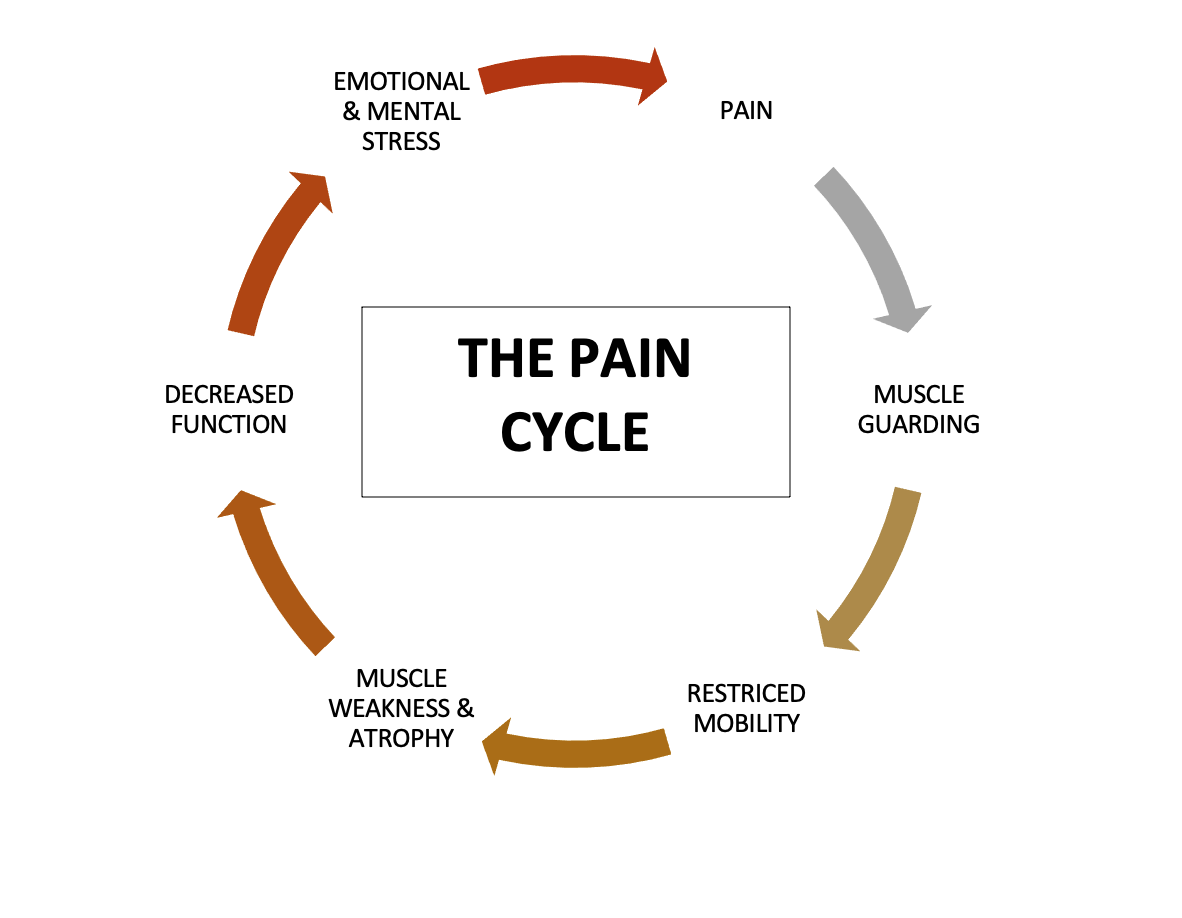
Most people are told their problem is tight muscles, poor posture, or not stretching enough. In reality, the body doesn’t hold tension without a reason. When deeper structures feel unsafe or compromised, the nervous system maintains guarding as a survival strategy. That guarding often increases overnight or after physical or emotional stress, which is why stiffness is usually worse in the morning.
This is why stretching, foam rolling, and repeated massage sessions don’t hold. The issue isn’t discipline or technique. It’s that the system controlling tension has never been reassured that it can let go.
Why Generic Massage Therapy Massage Falls Short
Massage therapy massage absolutely has value, but most approaches work at a single layer. They aim to relax muscles, improve circulation superficially, and create temporary comfort. What they often fail to address is how fascia moves, how fluid drains, how scars restrict tissue glide, and how the nervous system responds to internal mechanical stress.
Without addressing these deeper drivers, massage becomes a cycle of relief followed by regression. You feel better, but the body returns to defence mode because nothing underneath has changed.
The Revive Your Body Method — Relax → Restore → Revive
The Revive Your Body Method exists because relief alone is not recovery. It follows a structured clinical framework designed to change how the body behaves, not just how it feels.
The Relax phase focuses on reducing guarding and downshifting the nervous system so the body stops bracing against perceived threat. Without this step, deeper work is resisted rather than received.
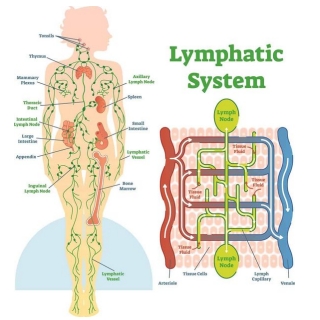
The Restore phase addresses internal movement quality. This includes improving fascial glide, supporting lymphatic drainage, reducing congestion, and improving scar mobility so tissues can move fluidly instead of sticking and pulling.
The Revive phase ensures that new movement patterns hold. This is where compensation reduces, strength builds through ease rather than force, and the body relearns efficient, sustainable movement instead of reverting to tension-based strategies.
Clinical Recovery, Not Spa Work
Revive Your Body Method is owner-led and built on more than 16 years of hands-on clinical experience. This is not relaxation-focused massage and it is not spa-style bodywork. Every treatment is precision-based, clinically informed, and personalised to the individual in front of us.
The goal is recovery, functional change, and lasting improvement—not temporary relief that fades by morning.
This Is Where Self-Help Stops
There is a clear limit to what you can fix on your own. You cannot stretch away lymphatic congestion, manually release scar tissue effectively, override nervous system guarding with willpower, or accurately identify which internal system is driving your stiffness.
This is why information hasn’t worked. This is why advice alone hasn’t helped. This is the point where structured support becomes necessary.
Find Out What’s Actually Driving Your Stiffness
Instead of guessing, the next step is to identify the true driver behind your recurring stiffness. The low-cost diagnostic assessment is designed to uncover what your body is protecting, determine which pillar of the Relax → Restore → Revive framework you need first, and map a clear clinical pathway forward.
If stiffness keeps returning, your body is asking for precision rather than more pressure.
👉 Find out what’s actually driving it:
https://reviveyourbodymethod.com/calendar
Frequently Asked Questions
Stiffness returns after massage therapy massage because the underlying mechanical driver hasn’t been resolved. Stretching alone isn’t enough because it doesn’t address congestion, scar restriction, or neural guarding. This method is appropriate after surgery or injury because it accounts for how tissue adapts following trauma. The number of sessions required depends entirely on what is driving the restriction, which is why assessment comes first.
Conclusion — What Actually Changes Results
Chronic stiffness is not random. Relief is not the same as recovery. Generic massage therapy massage rarely addresses the systems that maintain tension. The Relax → Restore → Revive framework exists to create change that lasts.
This is where self-help stops.
This is where structured clinical support begins.
👉 Book your diagnostic assessment here:
https://reviveyourbodymethod.com/calendar