Massage in Pretoria — Complete Guide to Pain Relief & Natural Healing
Many people in Pretoria search for massage because they’re tired, in pain or unable to move the way they used to. The problem is that very few people understand what type of massage they actually need. This guide removes the confusion, explains how massage works, and helps you choose the right treatment so your body can heal naturally. By the end, you’ll feel confident making the best choice for your health.
What Is Massage?
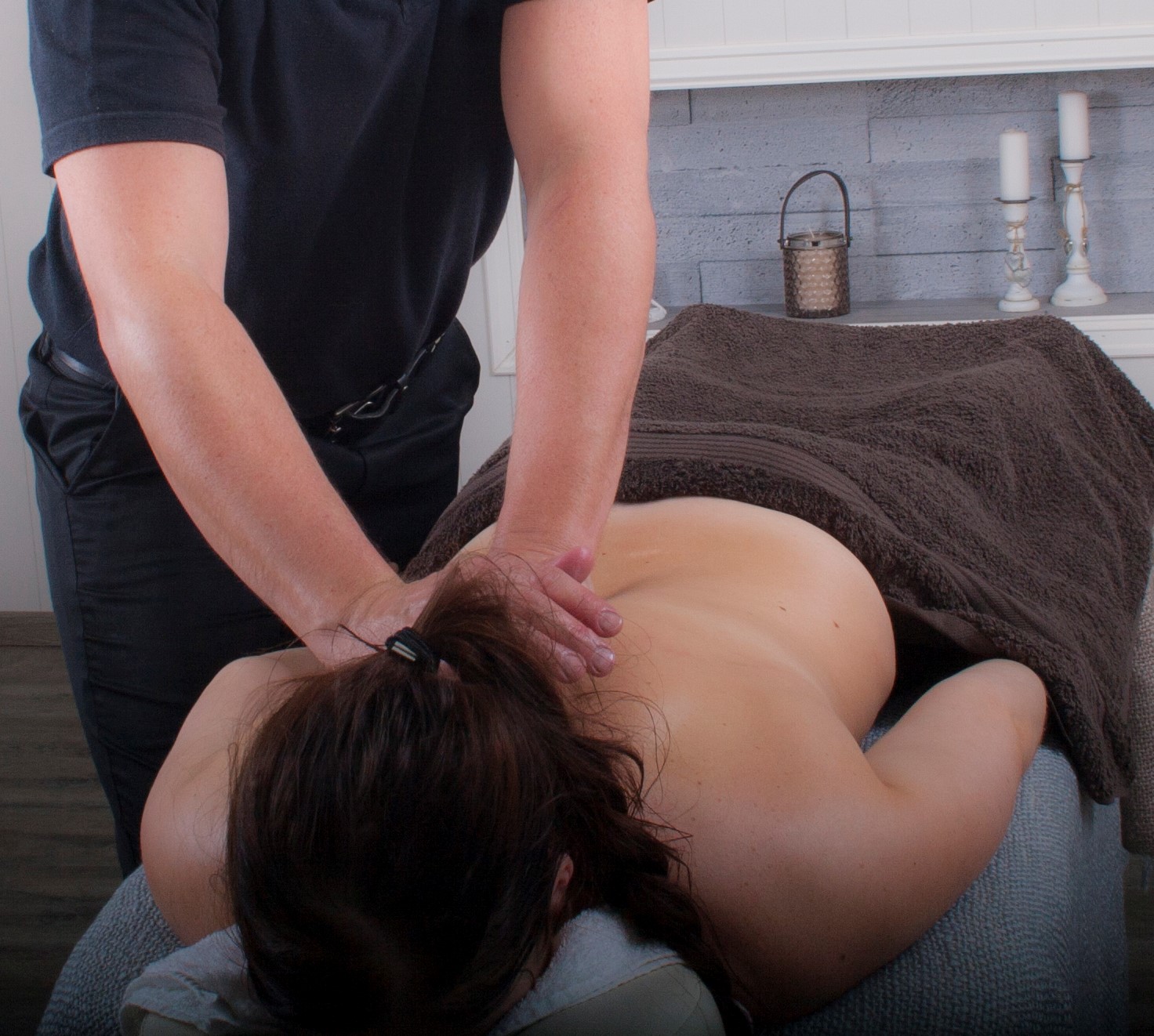
Massage is a hands-on therapeutic technique where the therapist uses controlled pressure and targeted movement to ease tension, improve circulation and support the body’s natural ability to heal. It matters because long work hours, stress, poor posture and physical strain create patterns of tightness and discomfort that don’t resolve on their own. Anyone experiencing pain, stiffness, swelling, stress or poor mobility can benefit.
Related: Deep Tissue Sport Massage | Ultimate Guide to Pain Relief & Recovery
Why Massage Matters for Health and Healing
Massage is far more than relaxation. It reduces chronic muscle tension, restores mobility, and supports lymphatic flow, which is essential for detoxification and reducing swelling. It also enhances recovery after sport or strenuous activity, regulates the nervous system, supports pain management without medication, and improves sleep quality.
A common misunderstanding is that all massages are the same. In reality, each technique has a specific purpose. When someone receives the wrong treatment for their condition, they often get little or no improvement — which is why choosing a specialist matters.
How to Choose the Right Massage Type in Pretoria
The starting point is understanding your body’s main issue. Ask yourself whether you are currently dealing with pain, stiffness, swelling or emotional stress. This simple reflection helps guide the choice of treatment, and it prevents the mistake of booking the wrong massage type.
Once you’ve identified your need, match it to the appropriate approach. Deep tissue massage is ideal for chronic muscle tightness and knots, while sports massage works best for athletes or anyone recovering from heavy physical activity. If you feel swollen, heavy or bloated, you need lymphatic drainage performed using the Vodder Method, as deeper pressure will worsen the swelling. For emotional overwhelm or nervous-system fatigue, therapeutic massage supports stress release and relaxation.
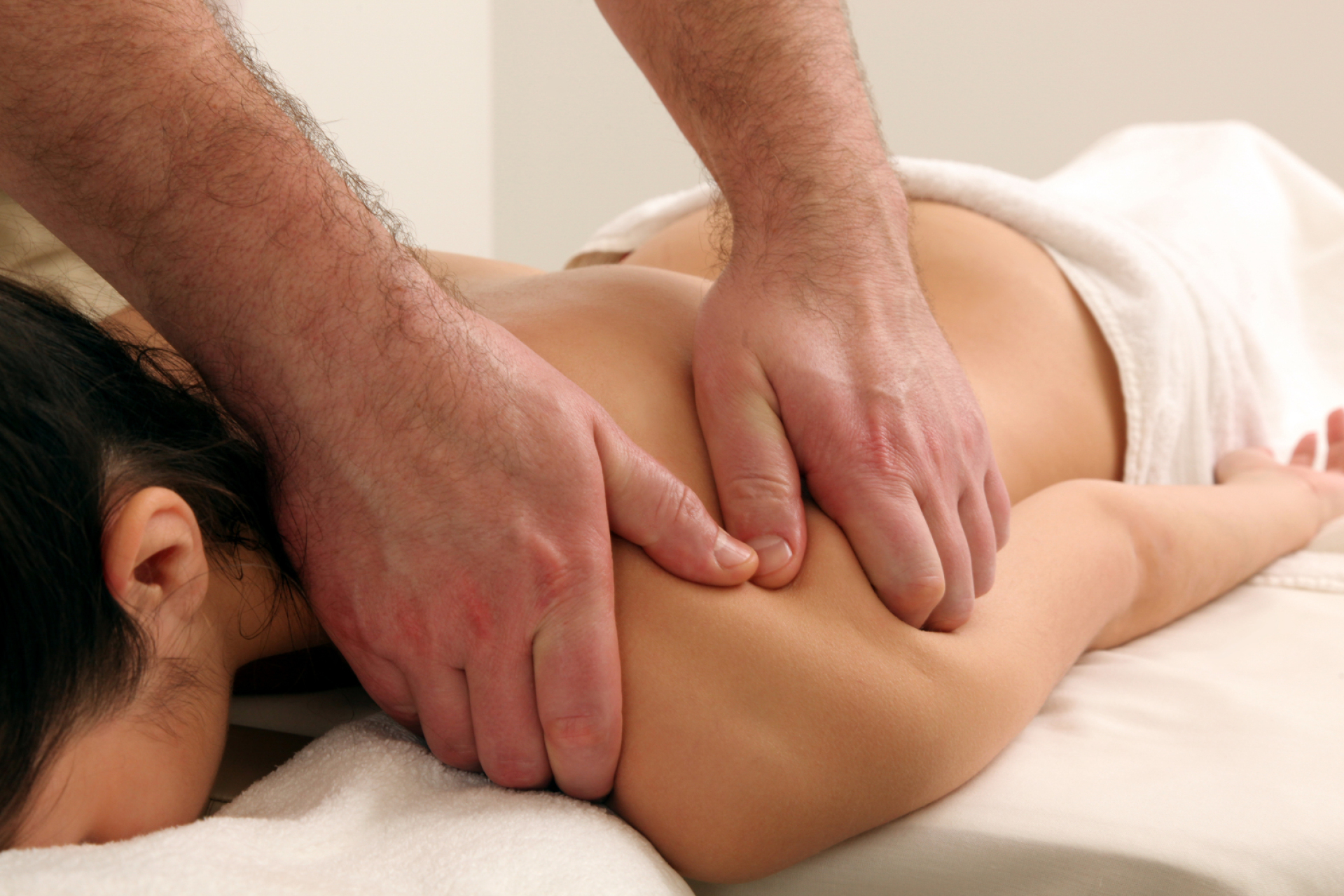
The final step is working with an expert therapist. A trained professional can identify the true source of the problem, apply the correct pressure safely, avoid aggravating inflammation, and guide you through a structured recovery path. Skilled male therapist hands, with strength and precision, allow for controlled pressure that cannot be replicated through self-massage or devices at home. DIY techniques can cause tissue damage, bruising or worsened inflammation, which is why professional treatment is essential.
Read More: Massage Pretoria — Deep Tissue, Sports & Lymphatic Therapy | Revive Your Body Method
Best Practices for Getting the Most Out of Massage
To get the best results, choose a trained specialist and communicate openly during your session. Staying hydrated afterwards supports the body’s natural recovery process, and following recommended follow-ups ensures more stable, long-term improvement.
What you should avoid is trying to treat yourself, using massage guns on swollen or inflamed areas, or assuming that harder pressure always means better results. Many people wait until the pain becomes unbearable before seeking help; early intervention is far more effective.
Common Mistakes to Avoid
One of the most frequent mistakes is choosing the wrong style of massage for the problem. Others include selecting a therapist based on price instead of expertise, expecting a single session to reverse years of tension, or using spa-style treatments when the body actually needs targeted therapeutic work. Swelling is often misunderstood too — deep pressure should never be used on it.
Examples of Massage Done Right
A common case seen in Pretoria is the office worker with shoulder and neck pain caused by long hours at a desk. After trying general massages without relief, they come to a specialist for assessment. With targeted deep tissue therapy applied correctly, mobility improves immediately, and over a few sessions the pain resolves. The change is significant, and it demonstrates how important it is to match the right treatment to the right problem.
Tools & Resources for Massage
Clients often benefit from pain pattern diagrams, posture awareness tips and stress-reduction guides. Professional treatments like deep tissue massage, sports recovery programmes and Vodder Method lymphatic drainage form the foundation of effective healing. Structured tools such as pre-session questionnaires or recovery checklists help clients track progress and stay consistent.
FAQ About Massage
How often should I get a massage?
Most people do well with sessions every two to four weeks, depending on whether their condition is chronic or recent.
Does massage hurt?
Targeted pressure may feel intense, but it should never feel sharp or alarming.
Can massage help with swelling?
Yes, but only lymphatic drainage is appropriate. Deep pressure can worsen swelling.
How quickly will I see improvement?
Many feel better immediately. Long-standing issues may need multiple sessions for lasting change.
Is massage safe after injury?
Yes, provided the therapist understands when to avoid acute inflammation and how to support gentle recovery.
Conclusion — Key Takeaways
Massage is a powerful and natural way to relieve pain, restore mobility, reduce stress and support your body’s healing. Choosing the right type of massage and booking with a trained specialist ensures you receive the correct treatment for your condition. If you’re ready to feel a noticeable difference in your body, now is the perfect time to take the next step.
Book your specialist session here:
https://reviveyourbodymethod.com/contact