Lymphatic Congestion — Why Swelling and Stiffness Keep Coming Back
If swelling, heaviness, or stiffness keeps returning no matter what you try, the issue is rarely weak muscles or poor flexibility. In many cases, the real problem is lymphatic congestion — a hidden mechanical dysfunction that quietly drives chronic discomfort and repeated relapse. When the lymphatic system cannot move fluid efficiently, the body adapts by tightening, guarding, and restricting movement. This guide explains why that happens, why relief never lasts, and why resolving lymphatic congestion requires structured, hands-on clinical care rather than self-help strategies.
The Problem — Persistent Swelling That Never Fully Clears
People dealing with lymphatic congestion often notice the same frustrating pattern repeating itself. Swelling may reduce temporarily after treatment, rest, or movement, only to return again. Stiffness eases briefly and then locks back in, sometimes overnight. Limbs can feel heavy, dense, or sluggish, and movement feels restricted even when there is no clear injury. These experiences are not random, and they are not a sign that the body is failing. They indicate that the body’s drainage system is under mechanical stress and can no longer clear fluid efficiently.
Identity Disruption — This Isn’t Just Inflammation or Needing More Stretching
One of the most important shifts people need to make is understanding that their body is not broken. It is protecting itself. When lymphatic flow becomes compromised, fluid and metabolic waste begin to stagnate in the tissues. This creates internal pressure, irritates nerves, thickens fascia, and triggers defensive muscle guarding. Over time, the body limits movement to reduce perceived threat. Stretching, foam rolling, or strengthening exercises cannot override this response because the issue is not muscular weakness or tightness. It is unresolved internal congestion that the body is actively defending against.
What Is Lymphatic Congestion?
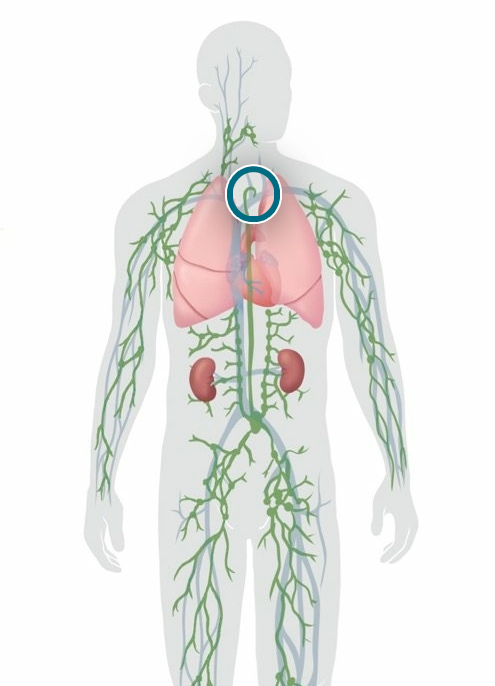
Lymphatic congestion occurs when lymph fluid cannot move freely through its pathways due to mechanical restriction within the soft tissues. This restriction often develops from scar tissue, whether surgical or traumatic, chronic muscle guarding driven by stress or injury, persistent compression patterns, or an overactive nervous system that never fully downshifts. As fluid movement slows, tissues become dense, swollen, and resistant to change. This is why swelling frequently returns after exercise, prolonged standing, travel, or emotional stress. The system simply cannot adapt fast enough to changing demands.
Why Lymphatic Congestion Creates Chronic Symptoms
When lymphatic congestion is left unresolved, its effects extend far beyond visible swelling. Reduced fluid movement decreases oxygen delivery to tissues and limits the removal of inflammatory by-products. This creates a constant low-grade irritation that keeps the nervous system on alert. As a result, stiffness, heaviness, delayed recovery, and recurring pain patterns become the norm rather than the exception. A common misconception is that lymphatic drainage is simply a light or relaxing massage. In clinical recovery work, however, lymphatic treatment is about restoring pressure gradients, tissue glide, and system coordination so that the body can regulate itself again.

The Revive Your Body Method — Relax → Restore → Revive
At Revive Your Body Method, lymphatic congestion is addressed through a structured clinical framework: Relax, Restore, and Revive. The first phase focuses on reducing protective guarding and downshifting the nervous system so tissues no longer remain in a defensive state. This allows internal pressure to decrease and prepares the body for change. The restore phase improves mobility, fluid movement, and tissue suppleness by addressing fascial restriction, scar-related stiffness, and lymphatic stagnation at their root. The revive phase then rebuilds functional movement patterns so strength returns without relapse, creating long-term freedom rather than short-term relief. All treatment is owner-led, shaped by over sixteen years of hands-on clinical recovery experience, and focused on real outcomes rather than spa-style relaxation.
This Is Where Self-Help Stops
This is where self-help stops. This is why information hasn’t worked. This is what requires structured support. You cannot access deep lymphatic pathways, reorganise scar-related restrictions, or safely influence nervous system guarding on your own. Generic advice, online videos, and self-treatment tools fail not because you are doing them wrong, but because lymphatic congestion is not something the body will release without skilled external input. Without proper assessment and hands-on clinical work, congestion simply redistributes and returns.
Why Generic Massage and Physio Often Fail Here
Massage alone tends to focus on surface tension, offering temporary relief without changing underlying fluid dynamics. Physiotherapy, when applied without addressing lymphatic mechanics, often strengthens and mobilises on top of congestion that remains unresolved beneath the surface. In both cases, symptoms improve briefly and then cycle back. Clinical recovery requires integration. This method, this framework, and this approach work because they assess and treat the system as a whole rather than isolating symptoms.

The Diagnostic — Find Out What’s Actually Driving Your Congestion
Before treatment begins, clarity is essential. The low-cost diagnostic assessment is designed to find out what is actually driving your recurring swelling, identify which phase of the Relax–Restore–Revive framework your body needs first, and reveal why previous approaches have failed. This is not a general consultation or a one-size-fits-all protocol. It is a clinical assessment aimed at uncovering the root mechanical drivers behind your symptoms so that treatment can be precise and effective.
Find out what’s actually driving your recurring swelling patterns — and identify which pillar you need first.
Book your diagnostic assessment here: https://reviveyourbodymethod.com/calendar
Conclusion — Why Lymphatic Congestion Must Be Addressed Clinically
Persistent swelling and stiffness are not random and they are not signs of poor effort or ageing. Lymphatic congestion is a mechanical issue that cannot be stretched, rolled, or exercised away. When left unaddressed, it drives chronic symptoms that repeatedly return no matter how proactive you are. Structured, owner-led clinical care is what allows the system to reset, adapt, and recover properly. If your body keeps holding fluid, tension, or restriction, it is not asking you to try harder. It is asking for the right kind of support.