Lymphatic Congestion — Why Your Muscles Feel Heavy, Tight, and Inflamed
If your body feels heavy, dense, and stiff rather than sharply painful, you are likely dealing with lymphatic congestion rather than simple muscle tightness. This is one of the most misunderstood causes of chronic stiffness, especially in people who stretch regularly, stay active, or receive massage but never experience lasting relief. The outcome is frustrating because the effort is there, yet the body keeps returning to the same restricted state.
This article explains why that happens, why common solutions fail, and why this is the point where self-help reaches its limit.
The Core Problem: Stiffness That Returns No Matter What You Do
One of the most emotionally draining patterns we see clinically is stiffness that resets every day. You wake up feeling heavy. You loosen up slightly with movement. By evening, the tightness has returned. After exercise, travel, stress, or surgery, the body feels swollen, compressed, and resistant rather than flexible.
This isn’t a motivation issue. It isn’t ageing. And it isn’t because you “haven’t stretched enough.”
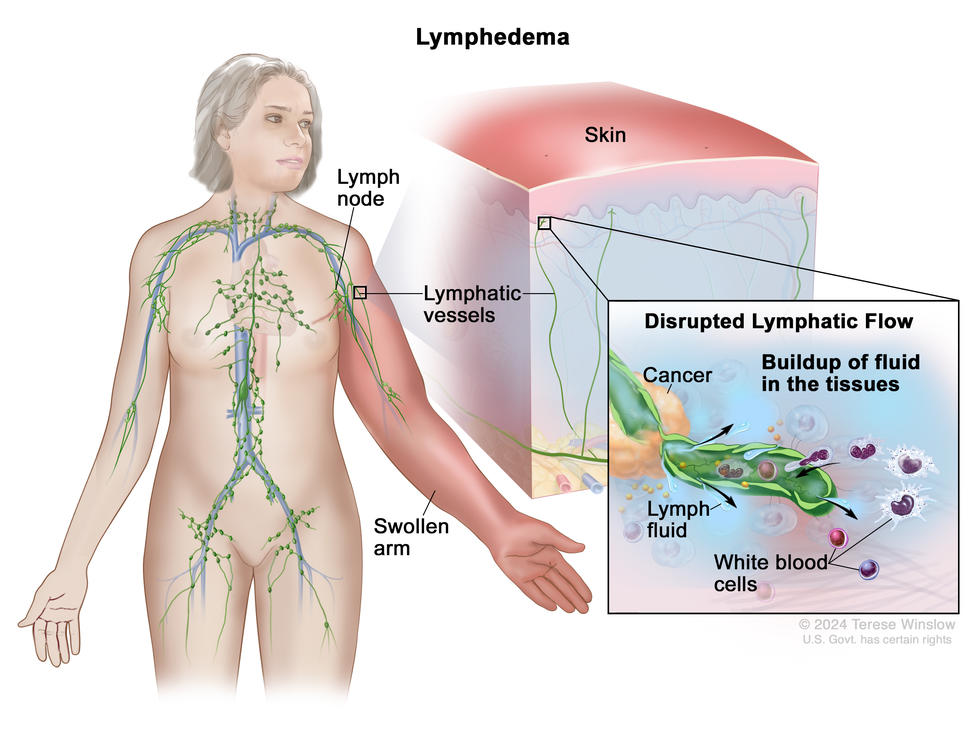
It’s because fluid is trapped inside tissues that are never being drained.
What Lymphatic Congestion Actually Feels Like
Lymphatic congestion doesn’t feel like a short muscle or a sharp strain. It feels dull, thick, heavy, and pressurised. The tissue often feels resistant rather than elastic. Movement feels effortful rather than painful. Stretching may give a brief sense of relief, but it quickly rebounds, sometimes feeling worse the next day.
This is because lymphatic fluid sits between muscle fibres, fascia, nerves, and joints. When that fluid stagnates, it creates internal pressure. That pressure reduces glide, irritates nerves, and forces the nervous system to increase guarding. The body tightens not because muscles are short, but because it is trying to stabilise overloaded tissue.
This is why inflammation stiffness feels different from normal post-exercise soreness. It’s not about damage. It’s about congestion.
Why Stretching Doesn’t Help Lymphatic Congestion
Stretching works when a muscle is shortened. It fails when pressure is the problem.
When fluid is trapped, stretching compresses already congested tissue. This can temporarily force sensation out of the area, giving the illusion of relief, but it does nothing to restore flow. In many cases, aggressive stretching actually increases inflammation by further irritating sensitive tissue.
This is why people describe feeling looser for an hour and tighter the next morning. The underlying pressure was never resolved, so the nervous system simply re-engages its protective response.
This is also why information hasn’t worked. You are applying correct logic to the wrong system.
Why Generic Massage Misses the Root Cause
Most massage focuses on muscles. Pressure is applied, knots are chased, and tension is “worked out.” While this can feel good, it often ignores the lymphatic system entirely.
Lymphatic vessels are superficial, directional, and pressure-sensitive. Heavy or non-specific massage can collapse them rather than encourage drainage. Without understanding flow pathways, scar interference, or regional congestion patterns, massage becomes temporary symptom management rather than clinical recovery.
This is where spa-style treatment ends and clinical work begins.
The Missing Framework: Relax → Restore → Revive
At Revive Your Body Method, lymphatic congestion is addressed through a structured clinical framework rather than isolated techniques.
Relax means first reducing protective guarding and downshifting the nervous system so the body feels safe enough to let go. Restore focuses on improving fluid movement, lymphatic drainage, scar mobility, and tissue glide so pressure can actually leave the system. Revive then rebuilds strength and movement patterns without re-triggering congestion, allowing ease to replace effort.
This is owner-led treatment, shaped by over 16 years of hands-on clinical recovery work in Pretoria. It is not spa work. It is personalised precision care.
This Is Where Self-Help Stops
You cannot drain your own lymphatic system effectively when congestion is chronic.
You cannot stretch fluid out of tissue.
You cannot think your way out of internal pressure.
This is why self-treatment hasn’t worked. This is why advice hasn’t translated into change. And this is exactly the point where structured support is required.
The Diagnostic Step That Changes Everything
Before treatment begins, the most important step is identifying what is actually driving your recurring heaviness and stiffness. That is why the starting point is not a long-term commitment, but a low-cost diagnostic session.
This session is designed to find out what is creating pressure in your system, identify whether congestion, scarring, or nervous system overload is dominant, and see why your body keeps reverting to stiffness despite your efforts.
From there, the correct pillar—Relax, Restore, or Revive—is applied first, instead of guessing.
If your muscles feel heavy, tight, and inflamed rather than simply sore, this is your sign.
Book your diagnostic session here:
👉 https://reviveyourbodymethod.com/calendar
Because relief doesn’t come from doing more.
It comes from addressing the right system, in the right order.