Chronic Lower Back Stiffness in Pretoria — The Complete Guide to What Your Body Is Protecting
You wake up stiff. You stretch. You move around. It eases slightly. Then tomorrow it is back again.
Chronic lower back stiffness is one of the most common complaints we see in Pretoria, yet most people treat it as a flexibility problem. It is not. It is a protection pattern.
If your lower back keeps tightening, your body is guarding something deeper. And until that is addressed properly, it will keep returning.
What Is Chronic Lower Back Stiffness
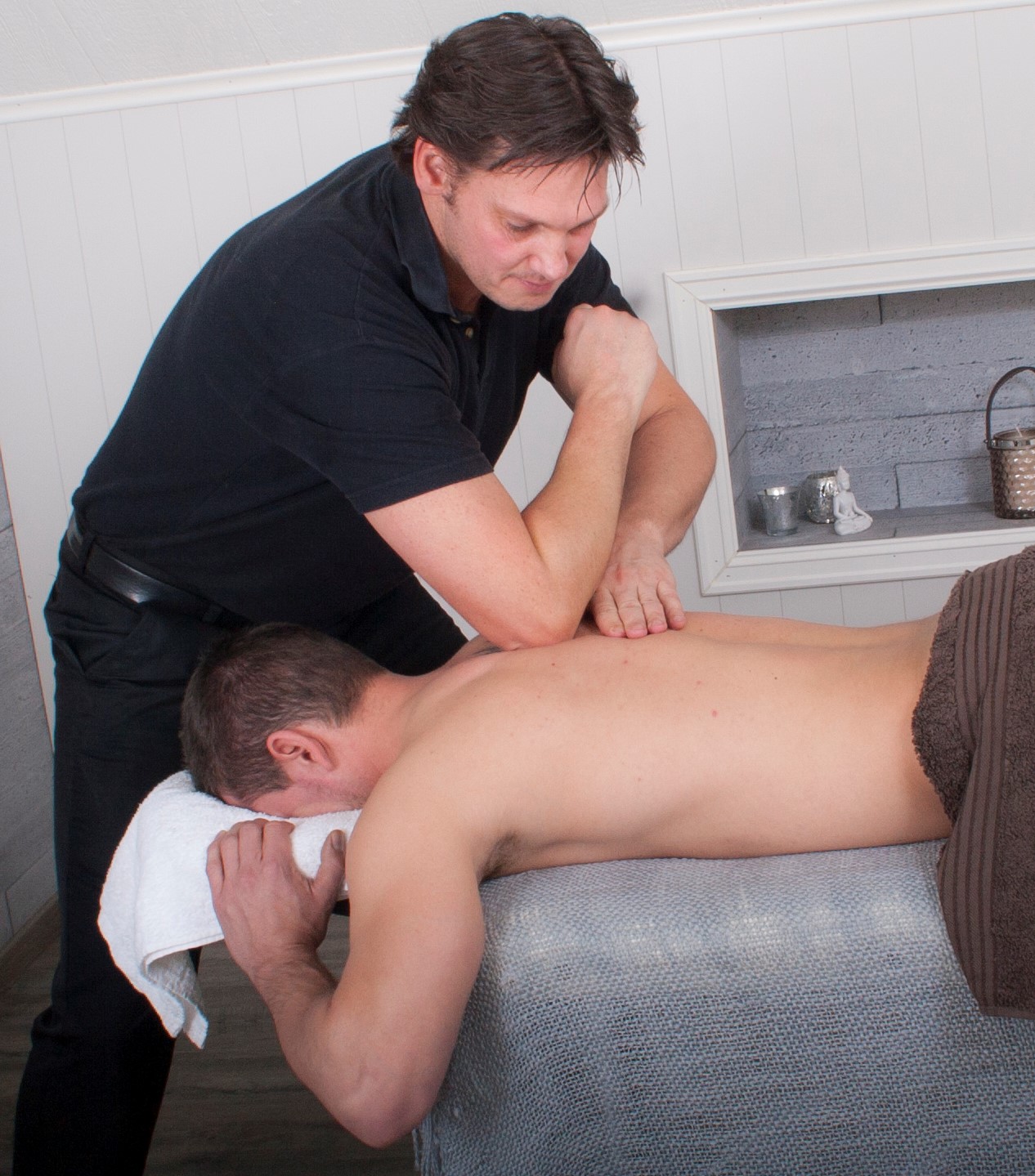
Chronic lower back stiffness is recurring protective tension around the lumbar spine and surrounding soft tissue. It often feels like tight muscles, reduced mobility, or a pulling sensation when bending or standing upright.
Within the first layer of understanding, stiffness is not weakness. It is not ageing. It is not because you “did not stretch enough.”
It is your nervous system increasing tension to protect an area it perceives as unstable, irritated, congested, or mechanically overloaded.
For professionals and active individuals in Pretoria who sit long hours, train intensely, or have old injuries, this pattern becomes cyclical. The back tightens to protect. You stretch it. The guarding returns because the underlying driver has not been resolved.
The Emotional Failure Point: Chronic Stiffness That Returns Daily
The real frustration is not the discomfort. It is the repetition.
You loosen it and it comes back. You exercise and it returns. You rest and it reappears.
This is the moment where identity disruption needs to happen.
Your back is not “tight.” Your body is protecting you from unresolved internal mechanical stressors. These often include subtle scar tissue from old injuries, deep fascial restriction, low grade inflammation, lymphatic stagnation, or nerve irritation that never fully resolved.
The stiffness is the shield.
Why Your Body Is Protecting Your Lower Back
The lumbar spine sits at a crossroads between upper and lower body movement. When there is restriction in the hips, congestion in the pelvis, abdominal scarring, or compensatory patterns from old ankle or knee injuries, load transfers into the lower back.
The nervous system responds by increasing tone. That tone feels like stiffness.
Over time this becomes your new normal. Morning stiffness is especially common because fluid stagnation and protective tone increase overnight when movement is reduced.
This is not random pain. It is structured compensation.
And stretching alone cannot solve a protection strategy driven by deeper mechanical and neurological stress.
The Revive Your Body Method Framework
At Revive Your Body Method in Pretoria, chronic lower back stiffness is assessed through a clinical recovery lens, not a spa lens. With over 16 years of owner led hands on experience, this method follows a structured framework: Relax, Restore, Revive.
Relax
The first priority is reducing guarding. Defensive tension patterns must be downregulated so the nervous system feels safe to release. This is achieved through precise deep tissue work and clinically focused manual therapy that reduces protective tone rather than chasing surface tightness.
Restore
Once guarding decreases, deeper restrictions can be addressed. This includes improving fascial glide, enhancing lymphatic flow through the Vodder method approach, and mobilising areas that are not moving well, including scars and long standing adhesions. Fluid movement and suppleness return gradually.
Revive
Finally, movement patterns must be rebuilt through ease, not force. When the body feels safe and fluid movement is restored, functional strength integrates without triggering protection again. This is how long lasting change occurs rather than temporary relief.
This method is structured. It is personalised. It is clinically precise.
This Is Where Self Help Stops
This is the conversion moment most people avoid.
You have stretched. You have watched videos. You have tried strengthening routines. You may even have had occasional massage.
Yet the stiffness returns.
This is where self help stops.
This is why information has not worked.
This is what requires structured support.
When internal mechanical drivers such as deep fascial restriction, scar related tension, fluid stagnation, or chronic guarding patterns are present, they cannot be corrected through generic exercises alone. They require skilled hands, clinical assessment, and a layered approach.
Why This Approach Is Different in Pretoria
Most treatments focus on the symptom area only. The lower back gets worked on directly while the real driver remains unaddressed.
Revive Your Body Method is owner led, clinically focused, and designed around recovery rather than relaxation. Every session is precision based. No generic routines. No conveyor belt treatments.
With over 16 years of hands on experience working with chronic tension cycles, post surgical restriction, and recurring movement loss, this framework identifies what your body is protecting and why.
It is not about doing more. It is about doing the right thing in the right order.
Find Out What Your Body Is Protecting
If your lower back stiffness keeps returning, the question is not how to stretch it more. The question is what is driving the protection response.
The next step is not another random treatment. It is clarity.
Find out what is actually driving your recurring stiffness patterns and identify which pillar you need first.
Book your diagnostic session here:
https://reviveyourbodymethod.com/calendar
This low cost assessment will allow you to see why your back keeps guarding and what structured pathway will move you forward safely.
Conclusion: Stiffness Is a Signal, Not the Problem
Chronic lower back stiffness in Pretoria is rarely about flexibility. It is about protection.
Your body is intelligent. It is guarding for a reason.
When you address the root mechanical stressors through a structured Relax, Restore, Revive framework, stiffness no longer needs to be your daily normal.
But it cannot be solved through guesswork.
Find out what your body is protecting and take the first structured step towards lasting change.